
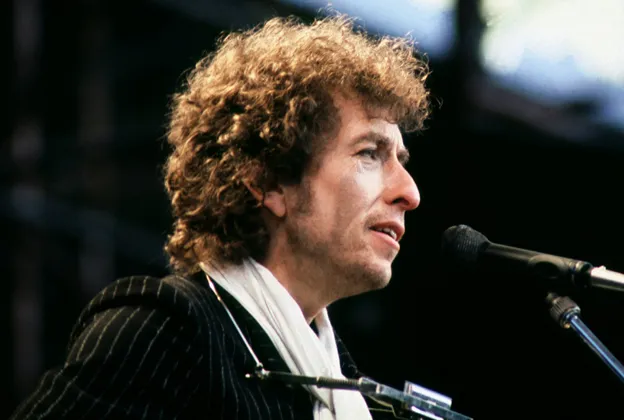
Few songwriters in modern music history have been covered as many times as Bob Dylan. His lyrics have traveled across generations, genres, and continents. From folk and rock to soul and pop, artists have found new meaning in his words. But when it comes to covers, not every version captures the same feeling as the original.
One of Dylan’s most powerful early songs is The Times They Are A-Changin’. Released in 1964, the song quickly became an anthem of social change. With just an acoustic guitar and harmonica, Dylan delivered a direct message to politicians, parents, and critics: the world is changing, and you better keep up. The lyrics were bold, serious, and urgent. It wasn’t meant to be pretty — it was meant to wake people up.
The Byrds’ Folk-Rock Version
In the mid-1960s, a rising band called The Byrds began turning folk songs into electric folk-rock hits. They had already found success covering Dylan’s “Mr. Tambourine Man,” giving it bright 12-string guitars and smooth vocal harmonies.
So it made sense that they would also record their own version of The Times They Are A-Changin’ for their 1965 album Turn! Turn! Turn!. Their take on the song featured jangly guitars, layered harmonies, and a cleaner production style. Musically, it fit perfectly with their sound.
But something about it felt different.
Where Dylan’s original sounded raw and almost urgent, The Byrds’ version felt polished and melodic. Instead of a protest song that demanded attention, it became more of a radio-friendly folk-rock track.
Did Dylan Approve?
There is no widely documented, official quote where Dylan clearly says he “hated” The Byrds’ version. However, over the years, many fans and music historians have suggested that Dylan was not particularly impressed with it. The common belief is that he felt the emotional weight of the song was softened.
For Dylan, this song was never meant to be just another catchy tune. It was written during a time of political tension and cultural shifts in America. Civil rights movements were growing. Young people were questioning authority. The song reflected all of that energy.
When a protest song becomes smoother and more polished, some of that urgency can fade. Even if the musicianship is strong, the feeling might change. That seems to be the heart of the discussion around this particular cover.
Interestingly, Dylan has openly praised other reinterpretations of his work. For example, he famously admired Jimi Hendrix’s explosive version of All Along the Watchtower. Hendrix didn’t just polish the song — he transformed it. Dylan even began performing it more like Hendrix’s version in his own concerts. That shows how much he respected that creative reimagining.
The Bigger Picture
The story of The Times They Are A-Changin’ and The Byrds highlights something important about music: a song can live many lives. Once it leaves the songwriter’s hands, other artists bring their own style, emotion, and personality to it.
Sometimes that works beautifully. Sometimes it changes the mood in unexpected ways.
The Byrds were not untalented — far from it. They were pioneers of folk-rock and helped shape the sound of the 1960s. But their version of this particular song reminds us that not every cover carries the same emotional weight as the original.
In the end, that’s part of what makes Bob Dylan’s songwriting so powerful. His words are strong enough to survive reinterpretation — even if not every version hits the same note.