
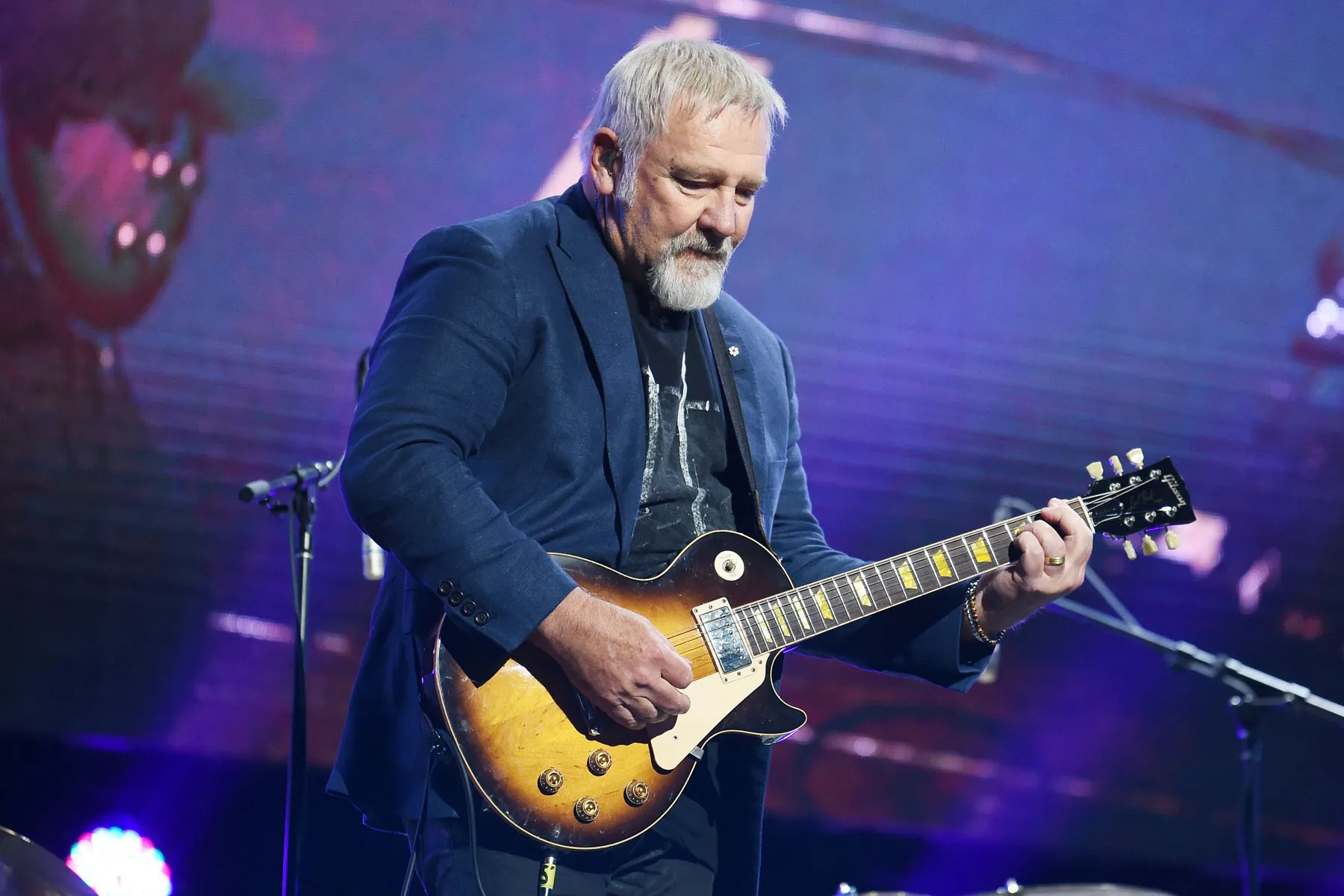
Every iconic band starts somewhere, and for Rush, that beginning was as modest as it gets. Long before sold‑out arenas and endlessly complex prog epics, the group’s very first performance was held in the basement of a church in Toronto — a youth drop‑in centre called The Coff‑Inn.
In a 2012 interview with PROG magazine, guitarist Alex Lifeson looked back on that night with characteristic honesty. He recalled that “there were probably 20 people at that first Rush gig.” And when asked whether those 20 people were impressed, Lifeson didn’t hesitate: “I’m guessing that they weren’t.”
The band — then featuring Lifeson, drummer John Rutsey and bassist/vocalist Jeff Jones — wasn’t ready for stardom. They had barely enough gear to play, even improvising a microphone stand from a lamp and using a tiny PA system with small speakers. Their setlist comprised covers of rock favourites by Jimi Hendrix, Cream and others — songs they knew well enough to repeat during the show.
That first night may not have blown the crowd away, but it marked the beginning of something extraordinary. After the gig, so few people showed up that their bassist couldn’t commit to the next show — and that opened the door for Geddy Lee to join. From there, the trio kept playing monthly at The Coff‑Inn until spring 1969, gradually filling the room and sharpening their sound.
By the time they released their self‑titled debut album in 1974, Rush had already transformed from a basement basement band to a force in rock music — a journey that started with about 20 indifferent listeners in a Toronto church basement.