
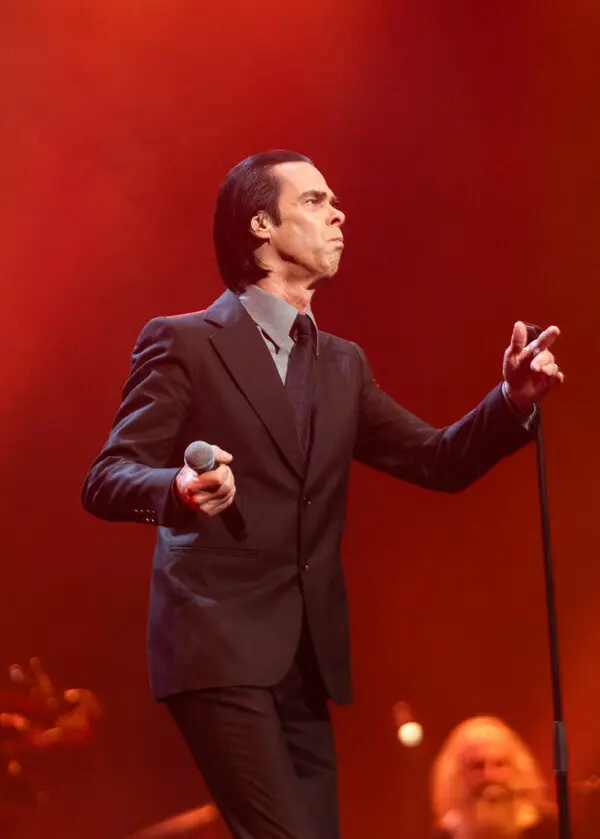
When we think about music legends, we often think about incredible technical skill. Guitarists like David Gilmour are known for their smooth, emotional solos. Drummers like John Bonham are remembered for their explosive power behind the drum kit. These artists stand out because of how well they play their instruments.
But Nick Cave is different.
His greatness does not come from flashy guitar solos or complex musical tricks. Instead, it comes from something deeper — his ability to explore human emotions in a raw and honest way. Cave’s strength is not technical perfection. It is emotional truth.
More Than Just Music
Nick Cave has always written about big themes: love, loss, faith, suffering, hope, and redemption. He once said that human beings are “hardwired for transcendence.” What he means is that we all have the ability to rise above pain and find meaning, even during the hardest moments of our lives.
This idea became even more powerful in his music after the tragic death of his son in 2015. Albums like Skeleton Tree and Ghosteen are filled with grief, but they are not hopeless. Instead, they feel honest and reflective. He does not hide from pain — he faces it directly and turns it into art.
That is what makes him special. He does not perform emotions. He lives them in his music.
A Teenager Who Loved Progressive Rock
Even though Cave is known for dark and poetic songwriting, his personal taste as a teenager might surprise some people. He was a huge fan of English progressive rock. Bands like Pink Floyd, Jethro Tull, Yes, Emerson, Lake & Palmer, and King Crimson were among his favorites.
He especially admired guitarists like Robert Fripp and David Gilmour. Even though they have very different styles, Cave was drawn to the emotional tone of their guitars. He once explained that their playing felt like singing. It wasn’t just about skill — it was about feeling.
He also praised Eddie Hazel from Funkadelic, especially the song “Maggot Brain.” To Cave, Hazel’s guitar playing sounded emotional and expressive, almost like a human voice crying out.
Influenced by Poetry and Songwriting
Cave has often mentioned Leonard Cohen as an important influence. Cohen was known for poetic lyrics and deep spiritual themes. In many ways, Cohen showed Cave that songwriting could be serious literature — not just entertainment.
This literary influence makes Cave’s music feel thoughtful and layered. His songs often tell stories filled with symbolism, religious imagery, and emotional depth.
Why Nick Cave Feels Different
Many music legends impress us with speed, power, or technique. Nick Cave impresses us with honesty. He approaches art with the intention of reaching something pure and meaningful. He wants to understand suffering, not escape it. He wants to explore faith, not preach it.
That is why his music feels timeless.
Nick Cave may not be known as a guitar virtuoso or a drum legend. But he is something just as powerful — an artist who uses music to search for truth. And in doing so, he reminds us that even in darkness, there is always the possibility of transcendence.