
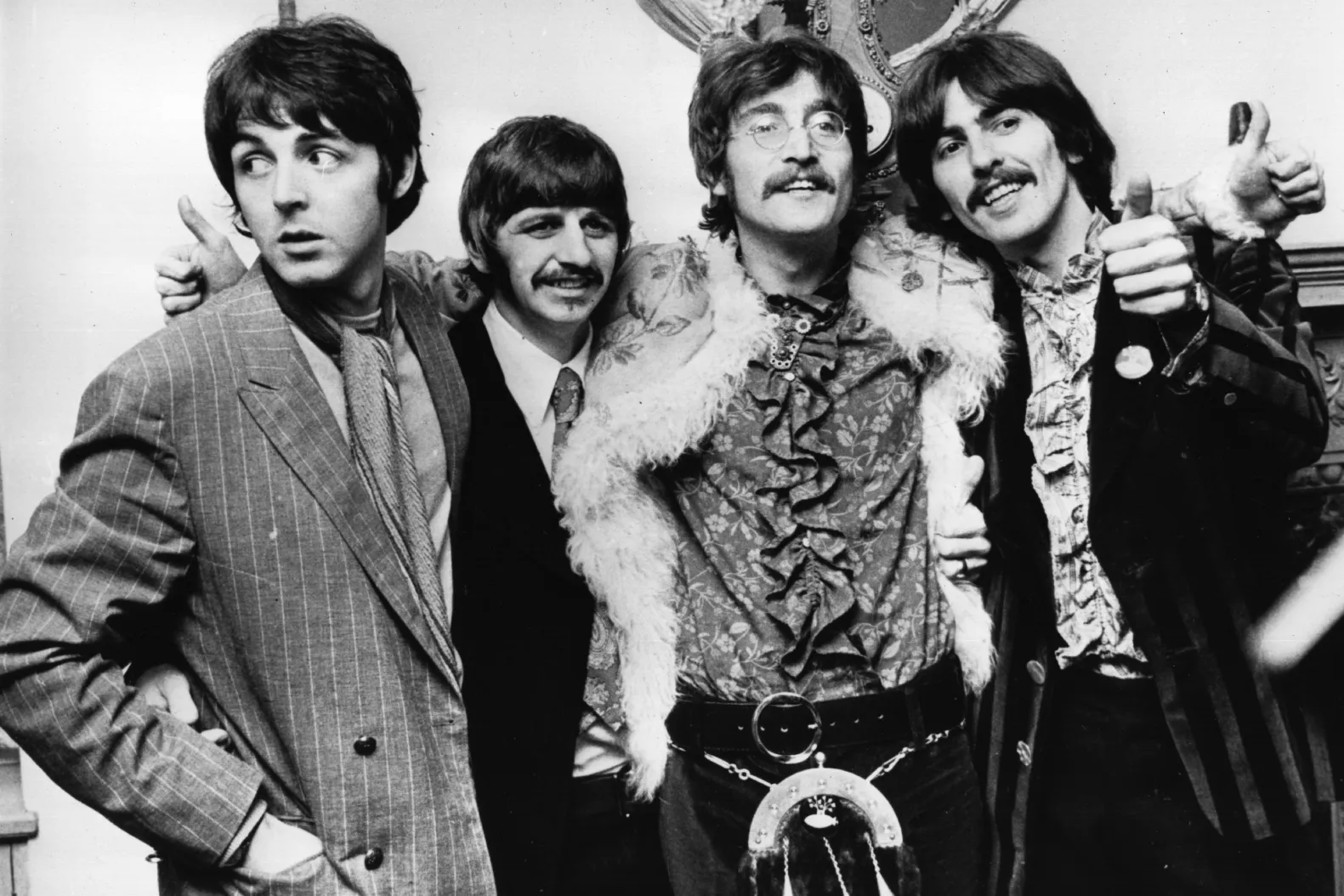
When people think of The Beatles, they often picture clean-cut mop-tops performing on big stages and selling millions of records. But long before global fame, The Beatles were a rough young band playing long, loud shows in Hamburg, Germany. That early period shaped not just them, but countless musicians who came after — including Ian Anderson, the frontman of Jethro Tull.
Anderson has talked about how he first learned about The Beatles’ early years, and why those images and stories stuck with him. He wasn’t around in Hamburg when they were playing — he was still in school — but seeing pictures and hearing about their gritty performances made a big impression. In those photos, The Beatles weren’t polished pop stars yet. They looked like a raw, intense rock ’n’ roll band — edgy, leather-clad, and full of attitude. That’s what caught Anderson’s eye.
The Beatles Before Fame
Before Please Please Me or I Want to Hold Your Hand became hits, The Beatles spent months in Hamburg clubs such as the Star-Club and Kaiserkeller. There they played long sets night after night, often fueled by whatever kept them awake and energized. The music was loud, the crowd could be rough, and the band grew up fast in that environment. This wasn’t classic pop — it was rock ’n’ roll in its rawest form.
As Anderson has explained, this version of the band — rugged, intense, and unpolished — was more fascinating to him than their later, more refined image. He especially admired John Lennon, who seemed to embody a rebellious spirit during those early days. Anderson said Lennon had a kind of natural attitude and presence that wasn’t about clean suits or good manners — it was about being real and powerful.
Why Hamburg Mattered
For many musicians of the 1960s, Hamburg was more than just a place where The Beatles played gigs. It was where they learned their craft under pressure. Long nights, unpredictable audiences, and relentless sets helped them tighten their performance and grow as a band. That wasn’t a polished “showbiz” experience — it was survival, and it left a strong impression on young artists who heard about it later.
Anderson has shared that what he took away from those stories was less about The Beatles’ music itself, and more about their attitude and dedication. Even though he admits he’s not a huge Beatles fan in the traditional sense, he recognizes the value of those early years and how important they were in shaping rock music as a whole.
From Hamburg to Jethro Tull
While Jethro Tull’s music turned out very different from The Beatles’, that same sense of pushing boundaries, performing with intensity, and not just chasing perfection can be traced back to tales of bands like The Beatles learning their craft in clubs like those in Hamburg. Anderson’s own approach to music — adventurous, theatrical, and always sincere — reflects a mindset that values real experience over polished image.
In the end, The Beatles’ early days weren’t just a chapter in their story — they became a piece of rock history that influenced future generations of musicians. For Anderson, those Hamburg moments were a reminder that great music comes from passion, hard work, and a willingness to dive into the unknown.