
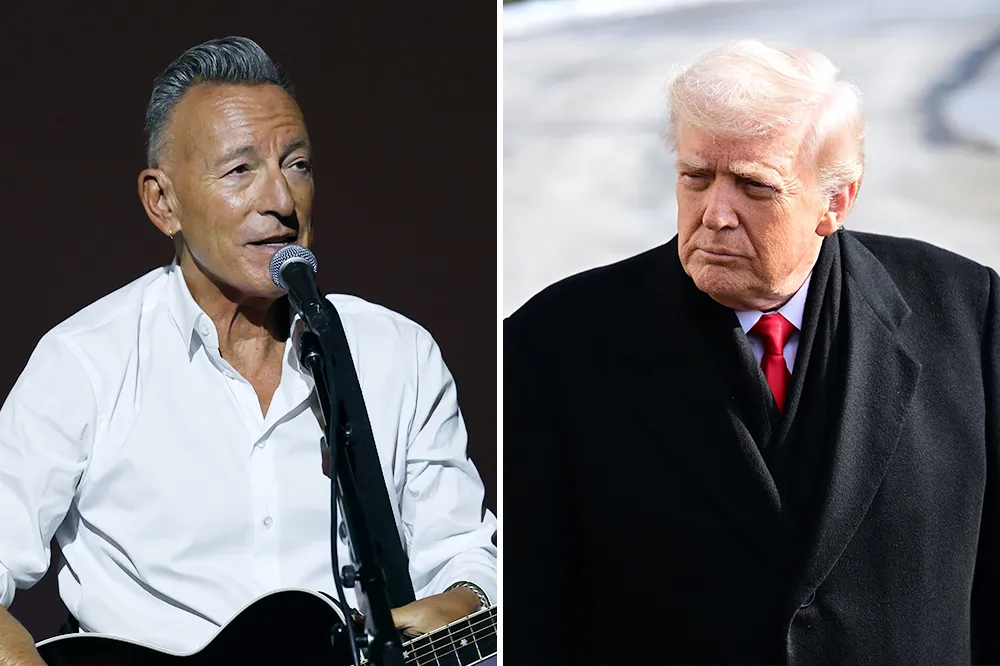
Bruce Springsteen, often called “The Boss,” has released a new protest song titled “Streets of Minneapolis.” The song was released on January 28 and was written in response to the recent killings of Alex Pretti and Renee Good, two anti-ICE protesters who were shot and killed in Minneapolis earlier this month. The song has quickly sparked national attention, praise from supporters, and strong criticism from the White House.
Springsteen is no stranger to political music, but this release stands out because of how fast it came together. According to Springsteen, he wrote the song on a Saturday, recorded it the next day, and released it immediately. This shows how urgent and emotional the situation felt to him.
Why Springsteen Wrote the Song
The deaths of Alex Pretti and Renee Good happened during protests against ICE (Immigration and Customs Enforcement) operations in Minneapolis. These protests were part of a larger movement opposing aggressive immigration enforcement and the presence of federal agents in local communities.
In his statement, Springsteen said the song was a response to what he described as “state terror” in the city of Minneapolis. He dedicated the song to the people of the city, immigrant communities, and especially to Pretti and Good. His message was clear: he believes people should not be killed for peacefully protesting.
The song reflects anger, sadness, and frustration, but also solidarity with those affected.
What the Song Is About
In “Streets of Minneapolis,” Springsteen criticizes ICE and the wider Trump administration. The lyrics describe federal agents as an occupying force and accuse the government of using fear and violence in the name of law enforcement.
Springsteen also directly points blame at high-ranking officials, including Stephen Miller and Kristi Noem, accusing them of spreading lies to justify harsh immigration actions. The tone of the song is defiant and emotional, similar to earlier protest songs Springsteen has released throughout his career.
Musically, the track is simple and raw, which matches its message. It is not meant to be polished pop music, but rather a fast and honest reaction to real events.
White House Response
The White House did not stay silent.
In response to the song, White House spokeswoman Abigail Jackson dismissed Springsteen’s message, calling it irrelevant and uninformed. She defended ICE’s actions and said the Trump administration is focused on removing dangerous criminals, not responding to protest songs.
Jackson also criticized Democratic leaders, accusing them of refusing to work with federal authorities and instead offering sanctuary to undocumented immigrants.
This response shows how deeply divided the country remains on immigration, law enforcement, and protest rights.
Springsteen vs. Trump
This is not the first clash between Bruce Springsteen and Donald Trump. During Trump’s second term, Springsteen has become one of his most vocal critics, especially during his 2025 European tour, where he openly spoke out against the administration.
Trump responded by attacking Springsteen personally, saying he should “keep his mouth shut” and claiming that Springsteen is “not a talented guy.” Despite these comments, Springsteen has continued to speak out.
Earlier this month, during a surprise performance in New Jersey, Springsteen dedicated his song “The Promised Land” to Renee Good. He told the crowd that no one deserves to be murdered for exercising their right to protest and openly called for ICE to leave Minneapolis.
Why This Song Matters
“Streets of Minneapolis” is more than just a song. It has become part of a larger national conversation about immigration, policing, protest rights, and free speech. Protests have spread across the country, and many people see the song as a voice for those who feel unheard.
Whether people agree with Springsteen or not, his song shows how music can respond quickly to real-world events and keep difficult conversations alive.
At its core, this song is about memory, justice, and standing up for human rights — themes that have always been central to Bruce Springsteen’s music.