
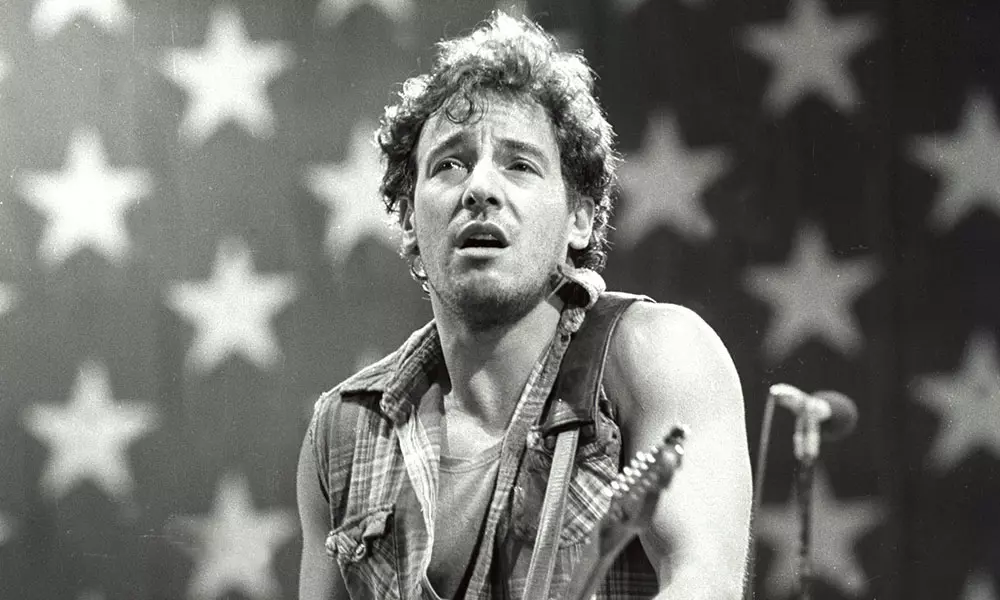
Bruce Springsteen, often called “The Boss,” is known not only for his music but also for speaking out about social and political issues. In January 2026, he released a new protest song titled “Streets of Minneapolis.” The song quickly gained attention because of its strong message and the serious events that inspired it.
Springsteen wrote, recorded, and released the song in just a few days. He shared that he felt an urgent need to respond to what was happening in Minneapolis, where two people, Alex Pretti and Renée Good, were killed during actions involving Immigration and Customs Enforcement (ICE) agents. According to Springsteen, the song is meant to honor their memory and show support for immigrant communities and the people of Minneapolis.
Musically, “Streets of Minneapolis” is a folk-rock song, a style Springsteen has used many times before. It features simple instruments, emotional lyrics, and a choir-like singalong that feels powerful and united. The song’s title is a clear reference to his earlier famous track “Streets of Philadelphia,” which dealt with injustice and suffering during the AIDS crisis. By using a similar title, Springsteen connects past struggles with current ones.
The lyrics of “Streets of Minneapolis” paint vivid pictures. Springsteen describes cold winter streets, armed federal agents, protests, and ordinary citizens standing up for justice. He names Alex Pretti and Renée Good directly in the song, making sure they are not forgotten. This direct naming makes the song feel personal and emotional, rather than distant or abstract.
One major theme of the song is power versus people. Springsteen questions the actions of federal authorities and highlights how immigrants and people of color often feel targeted or unsafe. At the same time, he emphasizes resistance, community, and solidarity. Lines about voices rising through the night and citizens standing together suggest hope, even in dark moments.
After its release on YouTube, “Streets of Minneapolis” quickly received millions of views. Many listeners praised Springsteen for acting fast and using his platform to speak out. Others debated the song’s political message, showing just how powerful and divisive protest music can be. Whether people agree or disagree with the message, the song clearly sparked conversation.
This is not the first time Springsteen has released protest music, but the speed and directness of “Streets of Minneapolis” make it stand out. It feels less like a polished studio project and more like an immediate emotional response. That raw quality is part of what makes the song so impactful.
In the end, “Streets of Minneapolis” is more than just a song. It is a statement, a memorial, and a call to remember those who lost their lives. Through simple words and powerful imagery, Bruce Springsteen once again shows how music can reflect real events, give voice to pain, and encourage people to stand together for justice.