
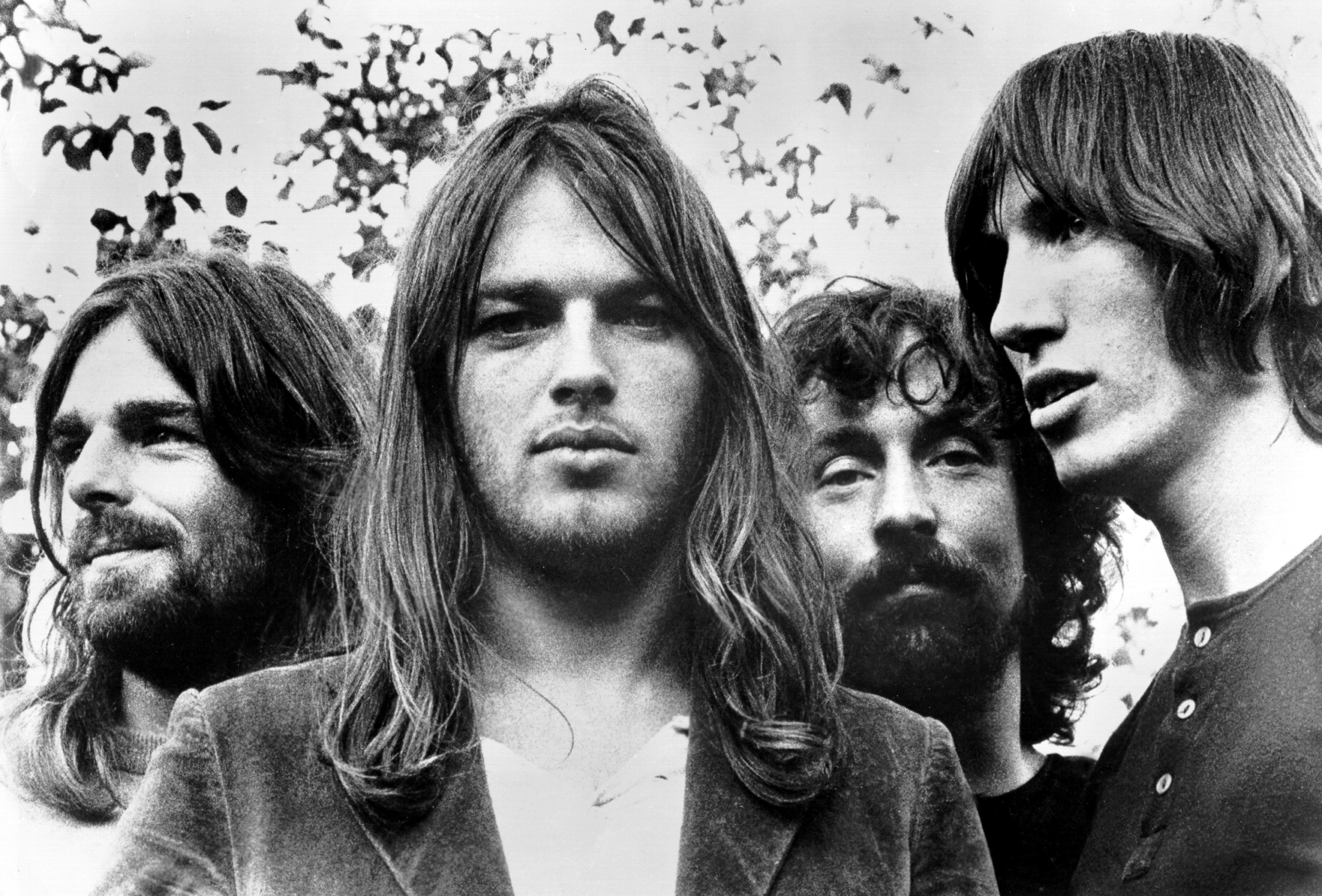
When David Gilmour joined Pink Floyd in the late 1960s, he was stepping into a difficult situation. The band had already made a name for themselves under Syd Barrett, a creative and unpredictable frontman who helped shape their early psychedelic sound. Barrett was widely admired in the British music scene and praised as a genius by fellow musicians. Replacing someone like that was never going to be easy.
At first, the band hoped Barrett would recover and continue with them. Gilmour was brought in mainly to support live performances. However, it soon became clear that Barrett’s mental health was getting worse. He struggled during rehearsals and performances, and eventually the band made the painful decision to move forward without him. Gilmour officially became Pink Floyd’s guitarist, and Barrett’s final song with the band was “Jug Band Blues.”
The early years with Gilmour were a time of uncertainty. The band was still figuring out who they were without Barrett. Albums like A Saucerful of Secrets showed this transition, mixing old ideas with new experiments. Gilmour was a talented guitarist, but songwriting was still new territory for him.
That challenge became very clear on the 1969 album Ummagumma. The album was split into two parts: one live disc and one studio disc. For the studio side, each band member was asked to create their own long experimental piece. This was meant to test their creativity beyond traditional rock songs.
Gilmour’s contribution was a three-part piece called “The Narrow Way.” He played almost every instrument himself and tried to create something bold and unusual. However, years later, Gilmour admitted that this song makes him cringe. He has said that he lacked confidence at the time and didn’t really know how to write a complete song. He even asked Roger Waters for help with lyrics, but was told to figure it out on his own.
Looking back, Gilmour feels that The Narrow Way sounds awkward and unsure. He has described it as an experiment that didn’t quite work. Instead of reflecting his true musical style, it felt like an attempt to copy the strange, quirky spirit of early Pink Floyd rather than follow his own instincts.
Still, the song played an important role in his growth. Not long after, the band began to find their direction. Tracks like “Echoes” showed a new level of confidence and creativity, leading to legendary albums such as The Dark Side of the Moon. Gilmour’s melodic guitar work and emotional songwriting became a key part of the band’s identity.
While The Narrow Way may not be a favorite for Gilmour, it represents an important starting point. Every great artist has early work they would rather forget. In Gilmour’s case, that uncomfortable beginning helped him grow into one of the most respected musicians in rock history.
Cringe away, its one of the greatest examples of longform psychdelic composition. While also seeding prog roots, it has become a fav among newer Floyd fans who dig its dark appraoch.