
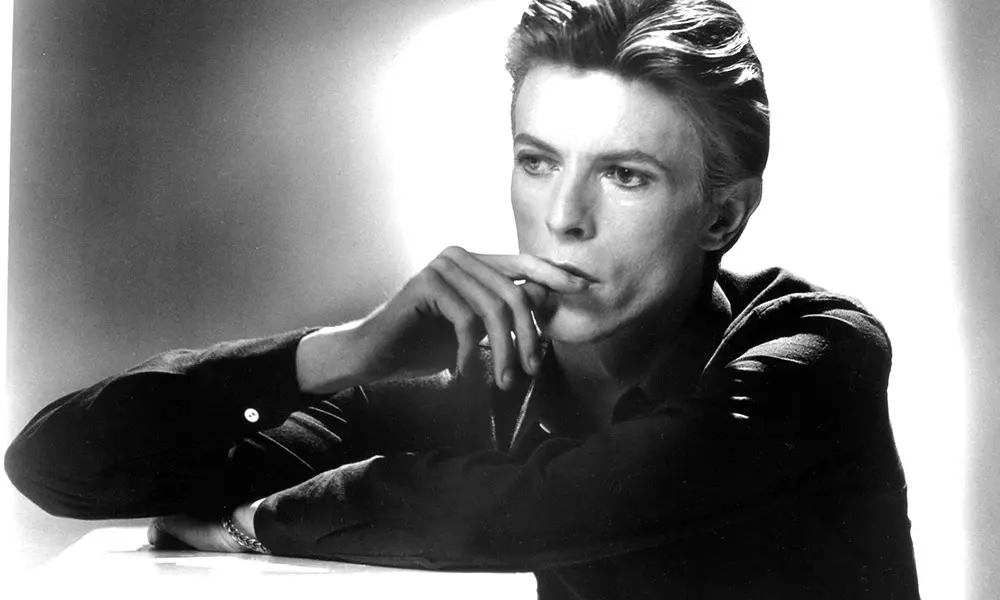
David Bowie was born on January 10, 1947, in Brixton, London, during a time when Britain was still recovering from World War II. From an early age, Bowie showed a deep interest in music, art, and performance. He wasn’t satisfied with following trends — he wanted to create something entirely his own. That desire would go on to change popular music forever.
Bowie first gained major attention in 1969 with the song “Space Oddity.” The track told the story of an astronaut drifting through space and immediately set Bowie apart as a storyteller, not just a singer. While many artists focused on love songs and radio hits, Bowie used music to explore imagination, isolation, and identity.
Throughout the 1970s, Bowie became famous for constantly reinventing himself. Characters like Ziggy Stardust and the Thin White Duke weren’t just stage costumes — they were full artistic concepts. Through these personas, Bowie showed that identity could change and that self-expression didn’t have to fit into one box. This idea was bold at a time when artists were expected to look and sound the same.
His albums, including Hunky Dory, The Rise and Fall of Ziggy Stardust and the Spiders from Mars, Low, Heroes, and Let’s Dance, helped shape entire eras of music. Bowie blended rock, pop, electronic, soul, and experimental sounds in ways that felt natural and exciting. He didn’t chase trends — he created them.
One of Bowie’s greatest contributions was giving people permission to be different. He challenged ideas about gender, fashion, and creativity simply by being himself. For many fans who felt misunderstood or unseen, Bowie’s music became a source of comfort and confidence. He didn’t tell people how to live — he showed them that it was okay to live honestly.
Even near the end of his life, Bowie remained deeply committed to art. In January 2016, he released Blackstar, just days before his death. The album faced themes of mortality and reflection with grace and creativity. It wasn’t a farewell filled with sadness, but a final artistic statement made on his own terms.
David Bowie’s legacy continues today. His influence can be heard in rock, pop, electronic, and alternative music, and seen in fashion, film, and modern culture. More importantly, his message still resonates: reinvention is not failure — it’s growth.
Bowie taught the world that being true to yourself is the most powerful form of art. And on his birthday, that lesson feels just as meaningful as ever.