
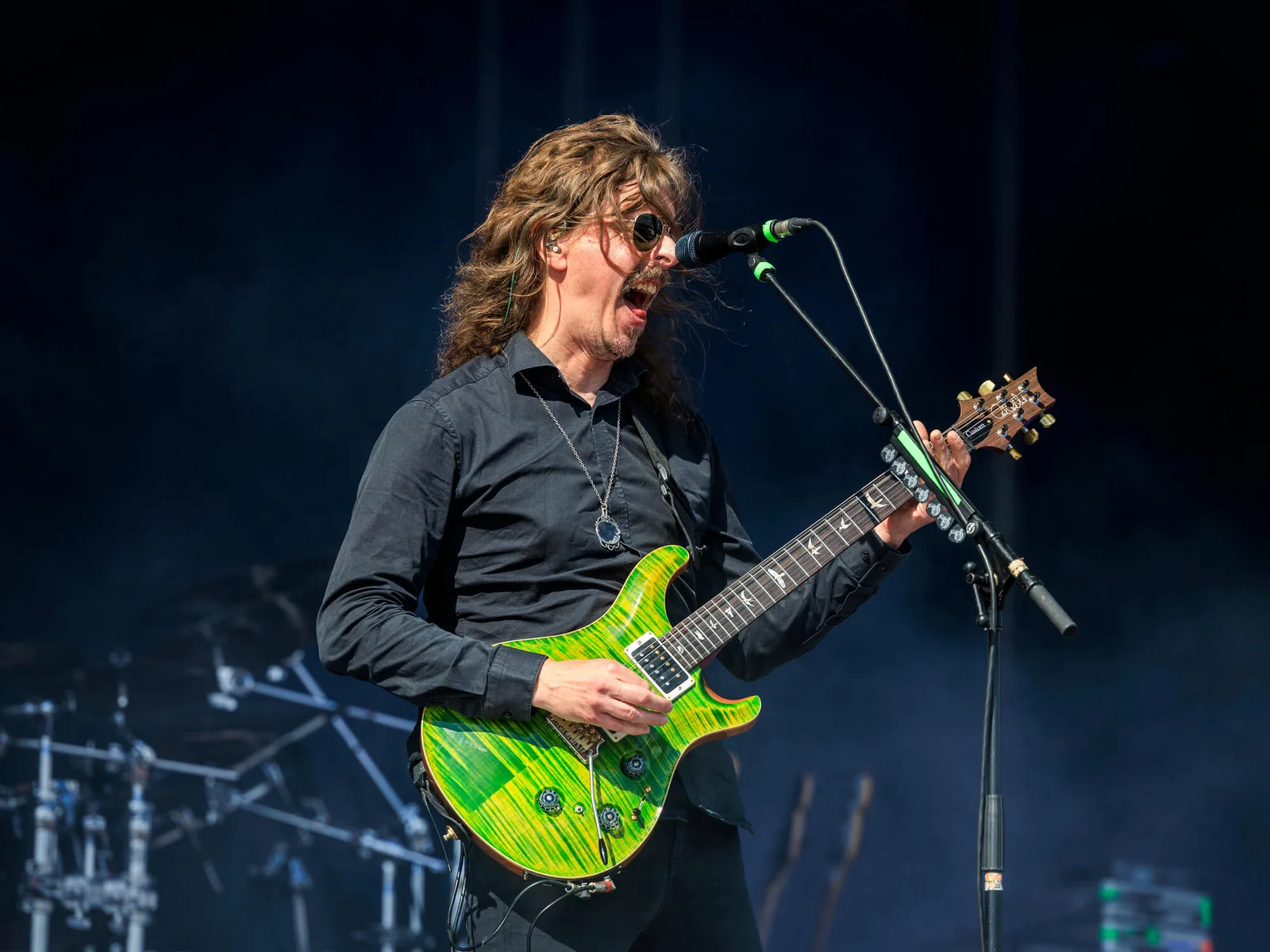
Mikael Åkerfeldt, the vocalist and guitarist of Swedish metal band Opeth, recently shared his thoughts on the word “progressive” in rock and metal music. According to him, the term no longer carries the same meaning or importance it once did. His comments have started a lot of discussion among fans and musicians, especially those who follow progressive rock and progressive metal.
In a recent interview with Metal Hammer, Åkerfeldt explained that many bands today use the label progressive too easily. He believes the word has become overused and misunderstood. In the past, progressive music meant something special. It described artists who pushed boundaries, experimented with new sounds, and tried ideas that had never been done before. Today, Åkerfeldt feels that this spirit is often missing.
According to him, many modern bands call themselves progressive simply because they play complex music. They might use odd time signatures, long song structures, or fast and technical playing. While these things can be impressive, Åkerfeldt argues that complexity alone does not make music progressive. For him, true progress is about new ideas and emotional expression, not just musical tricks.
He explained that if a band is only repeating things that already exist — even if they are doing it in a complicated way — then the music is not really progressing. In his view, being progressive should mean moving music forward, not just showing technical skill.
Åkerfeldt also mentioned that the word progressive is sometimes used as a marketing tool. Bands may label themselves progressive from the very beginning to stand out or appear more serious or artistic. He believes this has caused the term to lose its value. When everyone uses the same label, it stops meaning anything special.
Opeth’s own career is often used as an example of progressive metal, but Åkerfeldt himself does not seem very interested in labels. Over the years, Opeth has changed its sound many times. The band started with death metal, then explored progressive metal, and later moved into more classic rock, folk, and jazz-influenced music. For Åkerfeldt, this natural evolution is what real progression looks like.
He has said that when he writes music, he does not try to be progressive on purpose. Instead, he focuses on not repeating himself and staying honest to what feels right creatively. If the music changes, it changes naturally. He believes that listeners, not artists, should decide how to label music.
Fans have had mixed reactions to his comments. Many agree with him, saying that progressive music should be about creativity and emotion, not just technical ability. Others feel that modern progressive bands are still doing exciting and innovative things, even if they don’t fit older definitions.
No matter which side people take, Åkerfeldt’s comments raise an important question: Do genre labels still help us understand music, or do they limit how we think about creativity? His message seems clear — music should grow and evolve freely, without worrying too much about categories.
In the end, Åkerfeldt reminds us that real progression in music is not about showing off, but about exploration, honesty, and artistic growth. Whether the word progressive survives or not, the spirit behind it still matters.