
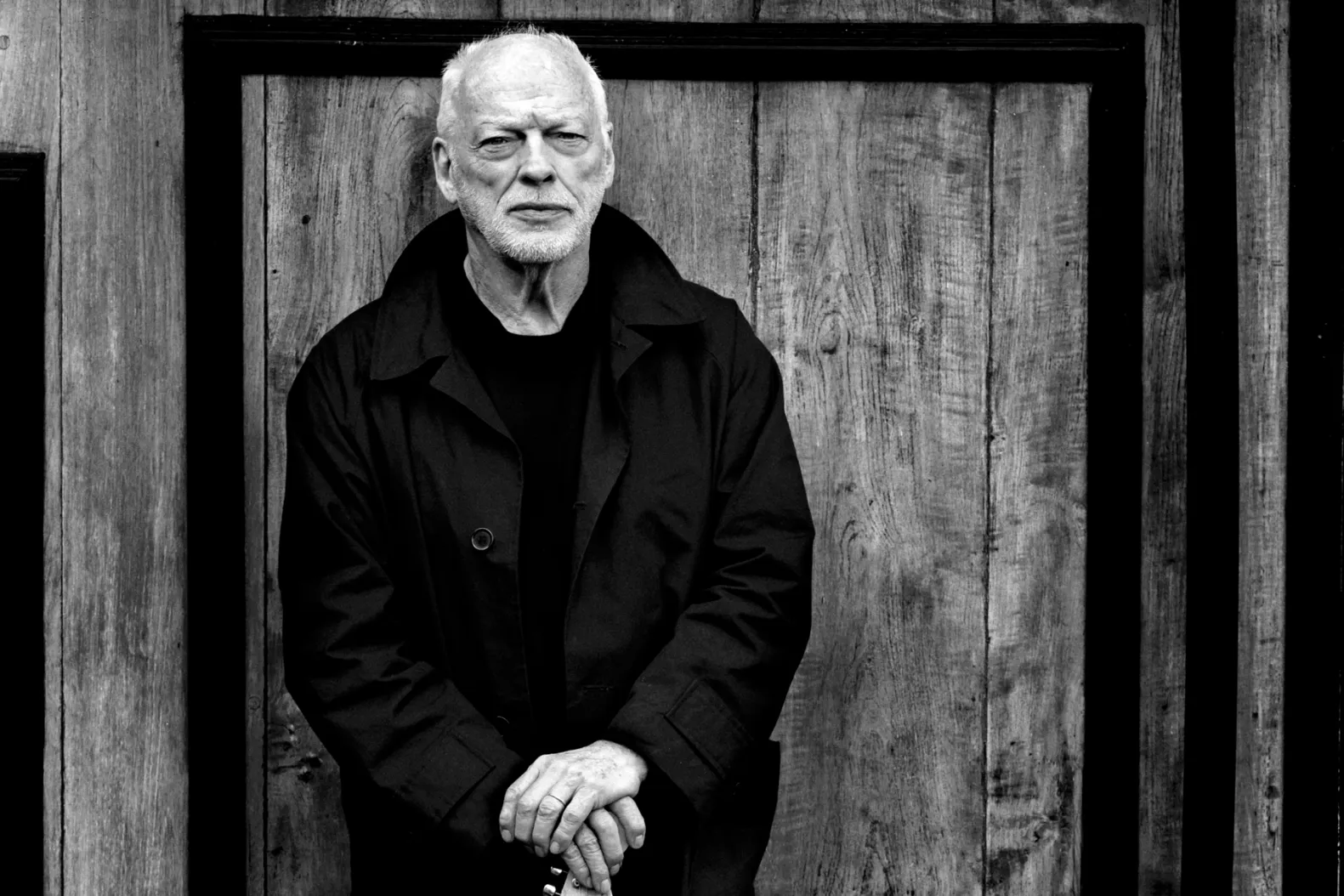
Rock music has always moved forward because musicians listen to each other, learn, and take inspiration from new sounds. Few guitarists have witnessed as much change as David Gilmour, the legendary Pink Floyd guitarist. From the rise of psychedelia to punk, metal, and grunge, Gilmour watched generations of players come and go. What makes him special is not just his own talent, but his open mind. He never dismissed new styles, even when they were very different from his own.
One guitarist Gilmour consistently admired was Eddie Van Halen.
At first glance, the two musicians could not be more different. Gilmour is known for slow, emotional solos that focus on melody and atmosphere. His playing is about space, feeling, and storytelling. Eddie Van Halen, on the other hand, arrived in the late 1970s like a lightning bolt. His style was fast, aggressive, and full of energy. He brought techniques like two-handed tapping into the mainstream and helped shape what modern rock and metal guitar would become.
Despite these differences, Gilmour never hesitated to praise Eddie.
In the mid-1980s, Gilmour openly admitted that he wished he could play like Van Halen. He said that when he tried to copy Eddie’s ideas, he simply couldn’t do it. This was not false humility — it was genuine respect. Coming from a guitarist already considered one of the greatest of all time, that statement carried serious weight. Gilmour recognized that Eddie possessed a level of technical skill and creativity that was completely his own.
Eddie Van Halen didn’t just impress guitar players — he changed rock music itself. His playing inspired countless musicians, many of whom picked up a guitar for the first time after hearing songs like “Eruption” or “Ain’t Talkin’ ’Bout Love.” He also crossed into the mainstream when he played the famous solo on Michael Jackson’s “Beat It,” proving that hard rock guitar could exist in pop music and still sound exciting.
Years later, Gilmour continued to speak highly of Eddie. While he admitted that Van Halen’s music wasn’t something he listened to all the time, he described Eddie as “fantastic” and full of joy. He especially admired how Eddie’s playing made people feel happy, energetic, and alive. According to Gilmour, Eddie had a way of making listeners want to move, dance, and celebrate music.
What makes this admiration so meaningful is Gilmour’s view of greatness. He never believed that speed alone made someone a great guitarist. For him, true greatness came from expanding what the instrument could express. By praising Eddie Van Halen, Gilmour acknowledged that innovation matters — even when it comes from a completely different musical direction.
In the end, the respect between these two guitar legends shows how powerful creativity can be. Gilmour’s emotional, atmospheric style and Van Halen’s explosive, high-energy approach both reshaped rock music in their own ways. They proved that there is no single “right” way to play guitar — only honest expression and the courage to push boundaries.
Decades later, both men remain towering figures in rock history. Different styles, different sounds — but the same lasting impact.