
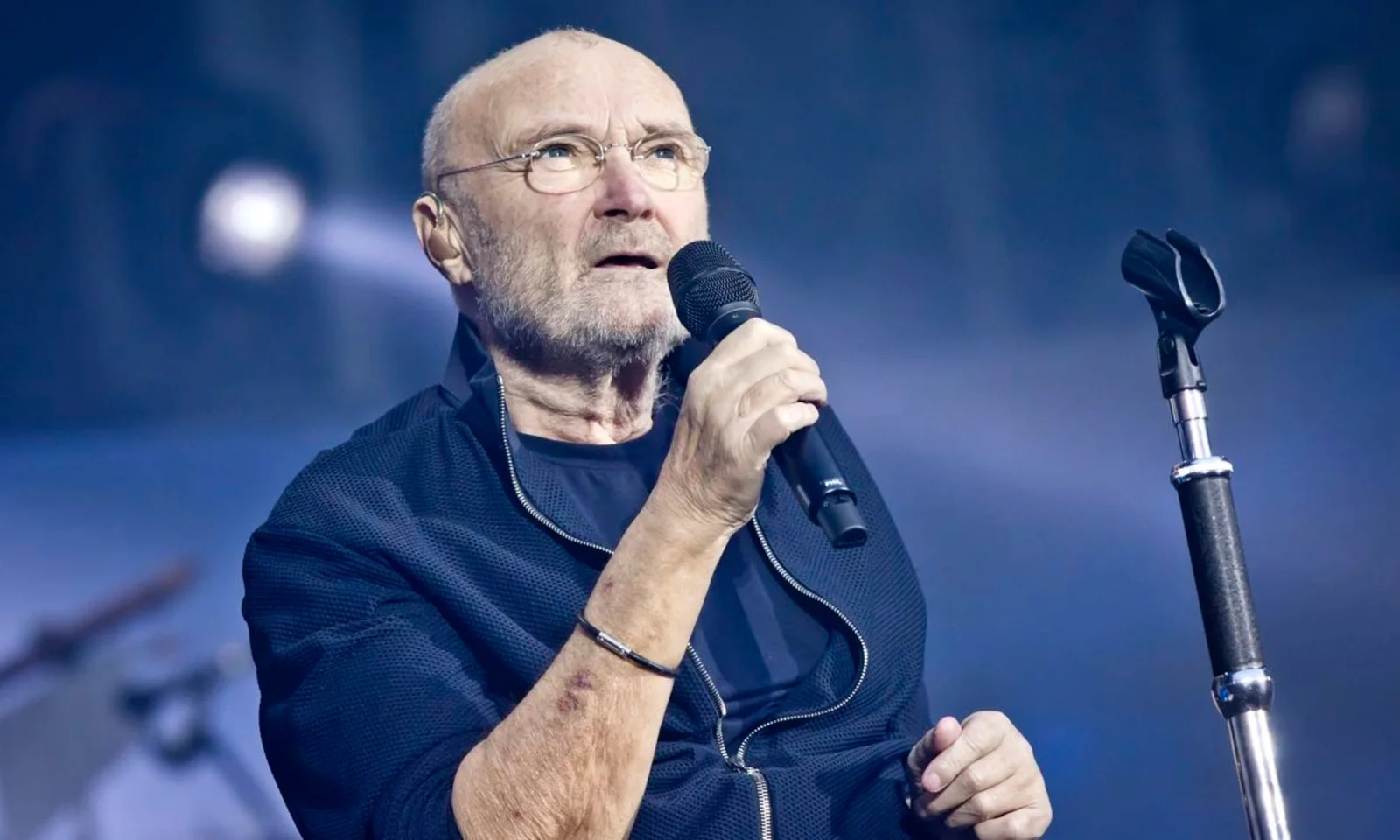
Phil Collins was one of the most recognizable musicians of the 1980s. Whether people wanted to see him or not, he seemed to be everywhere — on the radio, on TV, and on the biggest stages in the world. He was successful with Genesis, and even more successful as a solo artist. But behind all the fame, Phil Collins was never someone who made music without meaning. He truly loved music, and that love came from the artists and sounds he grew up listening to.
Before becoming a pop superstar, Collins was a drummer first. He joined Genesis in the early 1970s, a time when progressive rock bands focused on long songs, complex rhythms, and serious musicianship. Progressive rock musicians didn’t just listen to rock. They listened to jazz, classical music, blues, and soul, and that mix shaped their playing. Collins was no exception. His drumming with Genesis during the Peter Gabriel era showed that he had the skill to stand alongside some of the greatest drummers in rock history.
Even though he had the talent to compete with anyone, Collins was never interested in showing off. By the mid-1980s, he had already “won” in many ways. His solo album Face Value made him a global star, and his performances at events like Live Aid placed him at the center of the music world. Still, his success also led to overexposure. For some people, seeing Phil Collins constantly on television became tiring. Collins himself was aware of this, but he kept making music that felt honest to him.
What many people don’t realize is that Phil Collins had a deep love for soul and Motown music. Long before he made pop hits, he spent his youth listening to artists from the Motown label. The melodies, the emotions, and especially the rhythm sections had a huge influence on him. This love for soul music can be heard in his softer songs and ballads, like “Against All Odds” and even his work on Disney’s Tarzan soundtrack.
In 2010, Collins fully embraced these roots by releasing an album called Going Back. This album was a tribute to the Motown and soul songs he loved as a teenager. Instead of trying to modernize the songs, Collins wanted them to sound as close to the originals as possible. To do this, he worked with members of The Funk Brothers, the legendary musicians who played on many original Motown hits in the 1960s.
For Collins, this experience was special. He wasn’t trying to prove anything. He was learning, listening, and showing respect. He even asked the musicians if the parts they played were truly how the original songs were recorded — and trusted their answers completely. That level of respect showed how much those records meant to him.
Some people feel that no cover version can match the power of the original Motown recordings, and that may be true. Those songs were created by musicians who played together for years and understood each other deeply. But Going Back was never about replacing those classics. It was about honoring them.
In the end, Phil Collins’ career shows that great music comes from genuine passion. Whether playing progressive rock, writing pop hits, or paying tribute to soul legends, he always followed what he loved — and that’s why his music still matters today.