
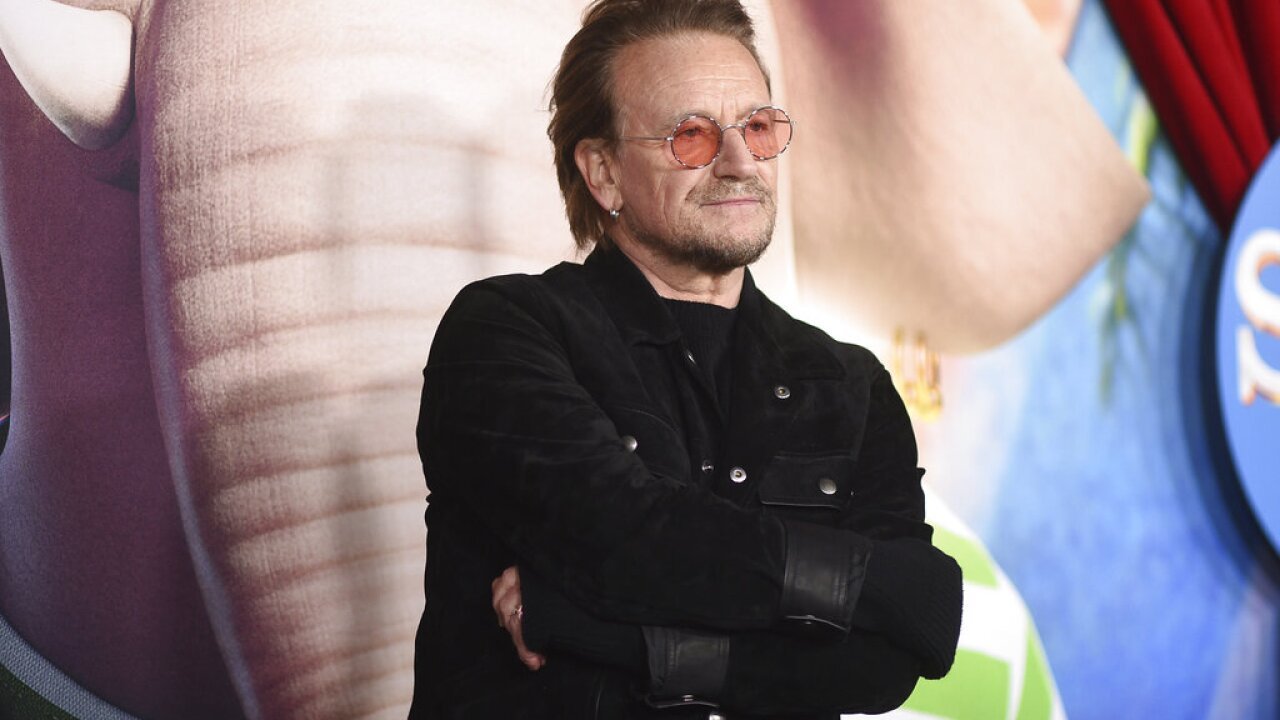
Bono, the legendary frontman of the rock band U2, is stepping back into the spotlight with renewed energy and purpose. Known not only for his powerful voice but also for his global activism, Bono is entering a fresh chapter of his life that blends music, storytelling, and a strong desire to make a difference in the world. Rather than looking back on his past achievements, he is using his experience to move forward with clarity and urgency.
One of the biggest signs of this new chapter is his recent documentary, Bono: Stories of Surrender. Released in May 2025, the film is deeply personal and reflective. It is based on his memoir Surrender: 40 Songs, One Story and his one-man stage show of the same name. In the documentary, Bono opens up about his life in a way fans have rarely seen before. He talks about his childhood, his relationship with his parents, his faith, love, loss, and the moments that shaped him as both a musician and a human being.
Unlike a traditional rock documentary filled with loud concerts and fast edits, Stories of Surrender is quiet, emotional, and honest. Bono tells stories between stripped-down performances of U2 songs, allowing the lyrics to take on new meaning. The film also explores vulnerability — something Bono admits did not always come easily to him. This openness has helped many viewers connect with him on a deeper level, not just as a rock star, but as a person who has struggled, learned, and grown.
At the same time, Bono and the rest of U2 are working on new music. The band has been in the studio, writing and recording songs that could become their next album. Bono has said that they don’t want to release anything unless it truly matters. In his words, “Nobody needs a new U2 album unless it’s extraordinary.” This shows how serious the band is about quality and meaning, even after decades of success.
The new music is said to reflect both reflection and urgency. The members of U2 are older now, more aware of time and legacy. That awareness is shaping their sound and message. Guitarist The Edge has shared that the band has written many songs and is carefully choosing the ones that feel most powerful and honest. Rather than chasing trends, U2 seems focused on creating music that feels real and necessary.
Beyond music and film, Bono remains deeply committed to activism. For many years, he has worked to fight extreme poverty and disease through organizations he helped create, such as ONE and (RED). In today’s world — where division, inequality, and global crises are common — Bono feels a renewed responsibility to speak up. He understands that his role is complicated, but he still believes that using his platform for good is worth the effort.
What makes Bono’s return special is that it is not driven by fame or nostalgia. It is driven by purpose. Whether through a quiet story, a meaningful song, or a call for unity, Bono is trying to remind people that art can still matter. His work today feels more focused, more human, and more intentional than ever before.
In this new chapter, Bono is not trying to relive the past. He is embracing the present — using his voice, his stories, and his music to inspire reflection, connection, and hope. For fans old and new, this moment feels less like a comeback and more like a meaningful continuation of a life devoted to creativity and change.