
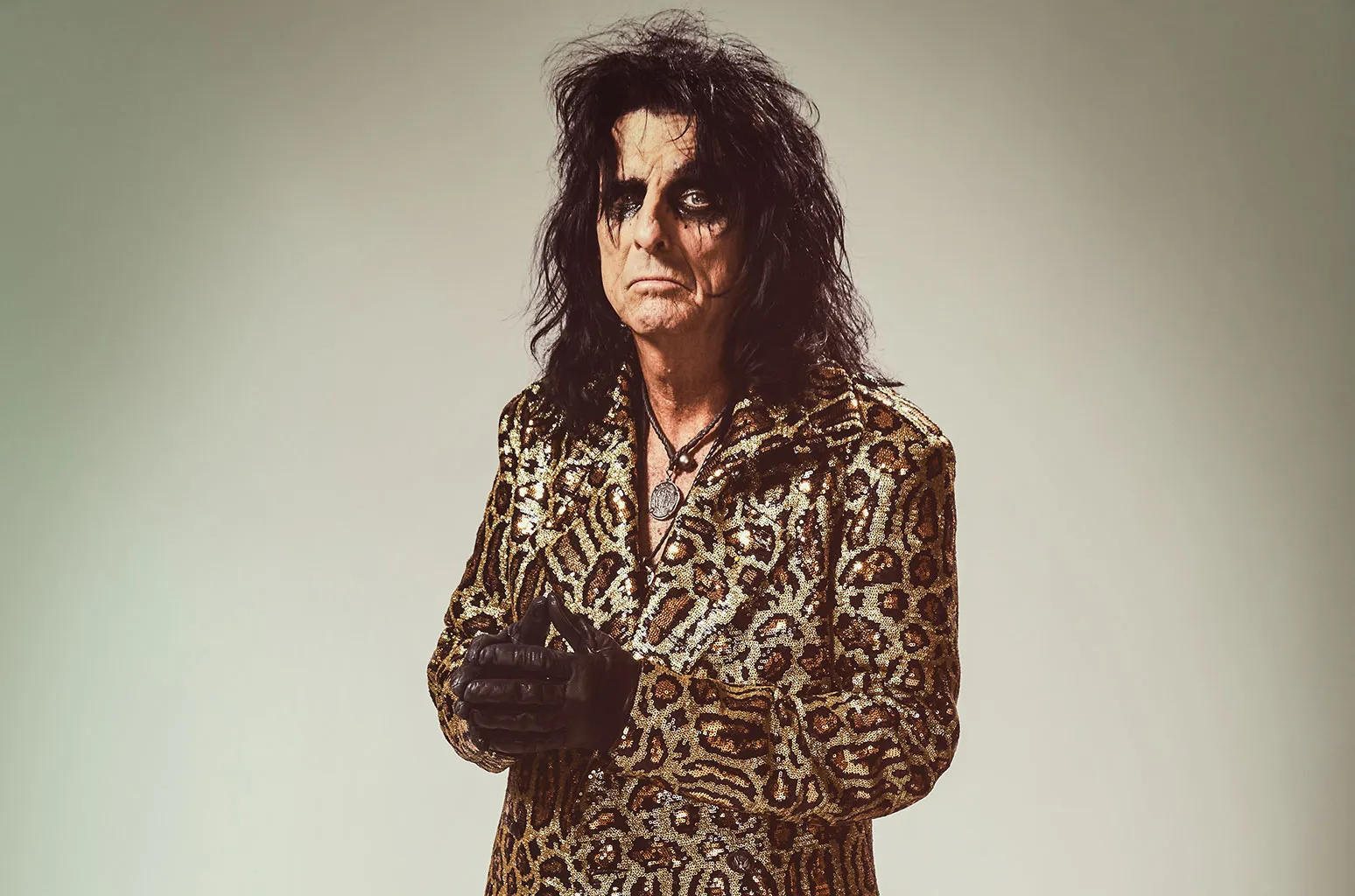
Alice Cooper is often called the “Godfather of Shock Rock,” and for good reason. His music, stage shows, and larger-than-life personality have shocked and entertained audiences for more than six decades. But behind the makeup, snakes, and dramatic performances is a deep love for classic rock music — especially the British bands of the 1960s that inspired him from the very beginning.
Alice Cooper began his musical journey in 1964, growing up in Detroit, Michigan. At that time, rock music was changing fast. While American rock and roll laid the foundation, it was the British Invasion that truly caught Cooper’s attention. Bands from the UK were taking American blues and rock influences and turning them into something new, bold, and exciting. For a young musician like Cooper, this was inspiring.
During the mid-1960s, British rock was exploding. Bands like The Rolling Stones, The Who, and The Yardbirds were dominating the music scene. These groups didn’t just play music — they created attitude, rebellion, and energy that spoke directly to young people. Alice Cooper has often spoken about how important these bands were to him, even though he was thousands of miles away in the United States.
One of the biggest influences on Cooper was Mick Jagger, the lead singer of The Rolling Stones. Jagger was more than just a vocalist — he was a performer. He moved across the stage with confidence, attitude, and emotion, making every song feel real and powerful. For Cooper, Jagger became the gold standard of what a rock frontman should be.
Alice Cooper has said that Mick Jagger didn’t just sing songs — he sold them. He made the audience believe every word. Watching Jagger helped Cooper understand that being a lead singer wasn’t just about hitting the right notes. It was about connecting with the crowd, telling a story, and owning the stage. This lesson became a key part of Cooper’s own performance style.
While Alice Cooper clearly learned from British rock, he didn’t copy it. Instead, he took those influences and went in a completely different direction. As music moved into the 1970s and styles like hard rock and progressive rock became popular, Cooper added theatre, horror, and shock elements to his performances. This helped him stand out and create something totally unique.
Even though his music sounds very different from The Rolling Stones, the connection between Cooper and Jagger is still clear. Both artists understand the importance of performance, energy, and longevity. Mick Jagger has continued touring well into his later years, and Alice Cooper has openly said that Jagger’s long career motivates him to keep going too.
Today, Alice Cooper remains a living legend. His career proves that inspiration can come from anywhere — even from another country. By blending British rock influence with American creativity and theatrical flair, Cooper built a career that is unforgettable. From swinging 1960s London to massive modern stages, the spirit of rock and roll continues to live on through him.
In the end, Alice Cooper’s story is not just about shock rock. It’s about respect for the roots of rock music, learning from the greats, and turning inspiration into something completely your own.