
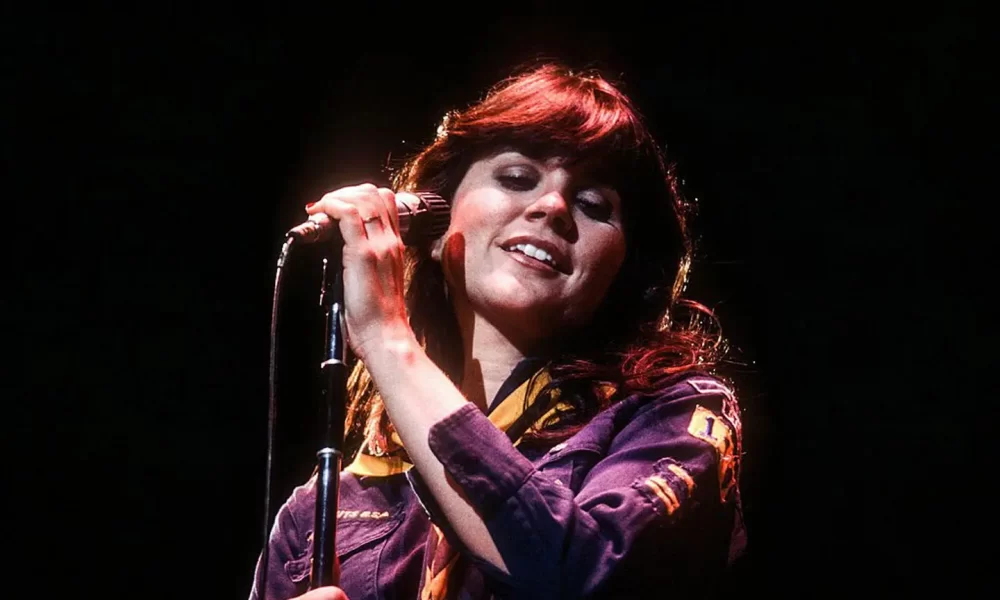
Linda Ronstadt had a voice that could do almost anything. She could sound gentle, powerful, heartbreaking, or joyful, depending on the song. But what truly set her apart was not just her vocal range — it was her mindset. Instead of chasing whatever sound was popular at the time, Ronstadt focused on making music she truly believed in. For her, honesty mattered more than trends.
Before she became famous as a singer, Linda Ronstadt thought like a bandleader. She listened closely to the musicians around her and paid attention to how instruments, especially guitars, could tell stories of their own. When she arrived in Los Angeles in the late 1960s, she stepped into the Laurel Canyon music scene — a place filled with creative people who were changing the sound of American music.
In rock and roll, the guitar is often like a second voice. Great artists understand this. Jimi Hendrix used the guitar as an extension of his body, making it cry, scream, and sing. Jeff Beck played with such precision and emotion that every note felt personal. Ronstadt admired that kind of playing. She didn’t just want loud or flashy guitar solos — she wanted guitars that felt something.
Laurel Canyon was full of musicians who thought the same way. Linda Ronstadt spent time with artists like Neil Young, members of the Eagles, and many others who were experimenting with new sounds. Neil Young’s guitar playing, for example, was never perfect or polished, but it was full of personality. Sometimes it sounded raw, almost messy, but it always felt honest. That honesty mattered to Ronstadt.
While rock music was everywhere, Ronstadt’s interests went far beyond it. She grew up listening to many different styles, including folk, country, and Mexican music. When she moved to Los Angeles, country rock was becoming popular. Artists like Gram Parsons were blending country and rock, creating something new. But one guitarist stood out to Ronstadt more than anyone else — Ry Cooder.
Ronstadt once said that Ry Cooder was the first truly great guitar player she met in Los Angeles. He was young, incredibly skilled, and played with deep emotion. His guitar could make people feel heartbreak without saying a single word. For Ronstadt, seeing someone like Cooder was eye-opening. Coming from Tucson, she suddenly realized she was now surrounded by musicians operating at a whole new level.
Instead of feeling intimidated, Ronstadt embraced it. Her voice naturally stood out, even when she was singing alongside highly skilled musicians. She worked with people like Glenn Frey and Don Henley before they formed the Eagles, and later collaborated with legendary arranger Nelson Riddle. Even though she was humble about her own abilities, her performances showed that she belonged among the best.
Ronstadt understood something important: great music is rarely created alone. She knew she was only as strong as the people she worked with. Rather than trying to outshine guitarists like Ry Cooder or Neil Young, she listened, learned, and grew. She absorbed ideas from everyone around her and carried them into her next project.
Linda Ronstadt may not have tried to overpower her collaborators, but she didn’t need to. Her strength was her taste, her ears, and her emotional honesty. She chose music that felt real, surrounded herself with talented people, and trusted the process. That is why her songs still connect with listeners today — because they were built on belief, not popularity.