“The most important and influential British female singer-writer-musician ever”: Nine Kate Bush albums you should definitely hear, and one to avoid

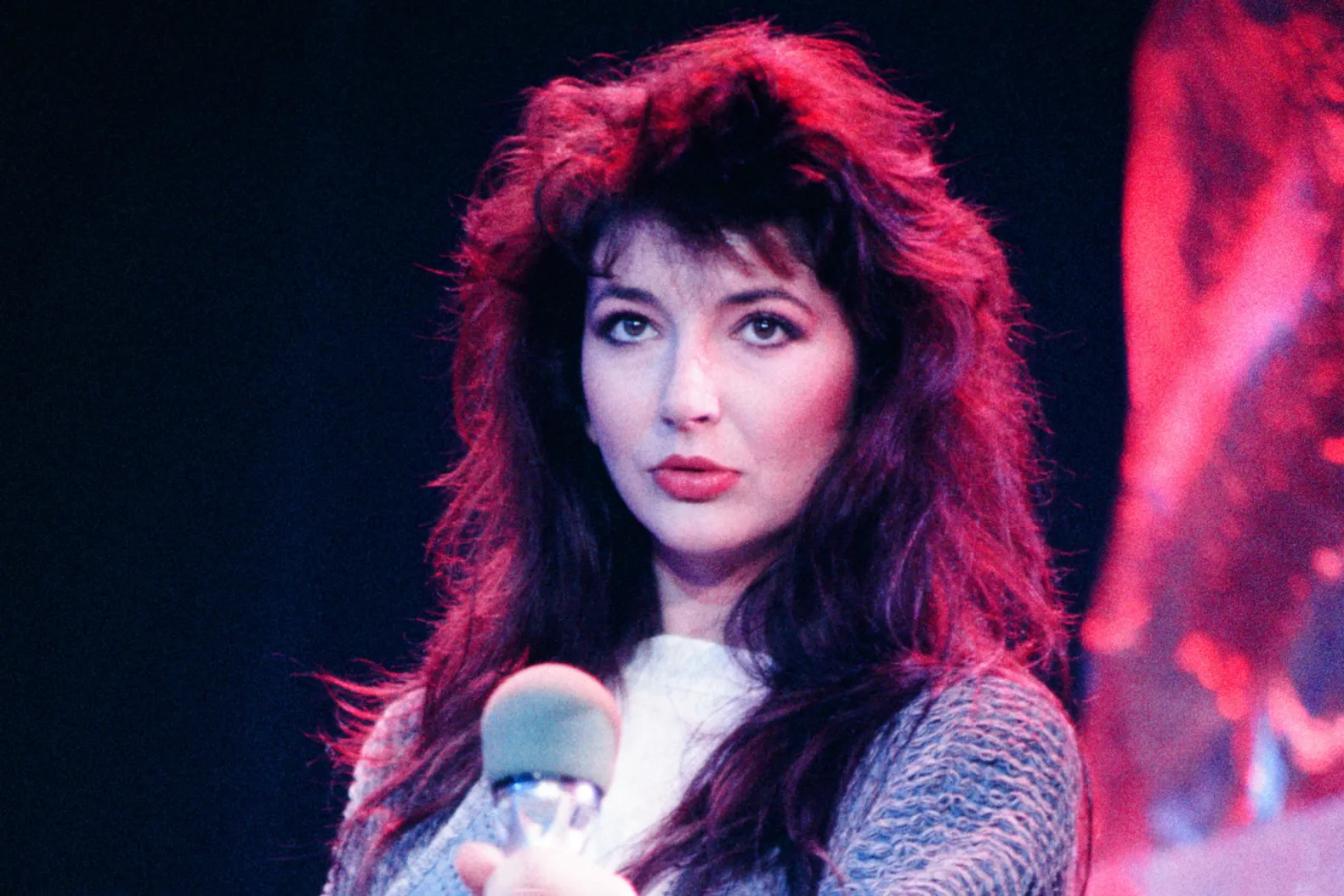
Kate Bush is widely regarded as one of the most important and influential female musicians in British music history. She is a singer, songwriter, pianist, and performer who changed the way pop music could sound and feel. Her career is not about fame or trends, but about creativity, imagination, and artistic freedom.

Kate Bush was born in 1958 in Kent, England, into a musical family. From a very young age, she showed extraordinary talent. By the time she was a teenager, she was already writing complex songs and playing piano beautifully. When she was just 15 years old, a demo tape of her songs reached David Gilmour from Pink Floyd. He immediately recognized her rare talent and helped her get signed to EMI Records. Instead of rushing her into fame, the record label allowed her time to train, practice, and grow as an artist. This careful start would shape her entire career.

In 1978, Kate Bush released her debut single, “Wuthering Heights.” The song was inspired by the famous novel and featured her high, emotional voice and dramatic storytelling. It became a huge success and made history as the first UK number-one song written and performed by a woman. Soon after, her debut album The Kick Inside was released and confirmed that a new and very different star had arrived.

Although the music industry often pushed artists to follow trends, Kate Bush chose her own path. While punk music was dominating the late 1970s, she stayed true to her unique style. Her early albums mixed pop with classical influences, literature, and theatrical performance. She was not just singing songs — she was creating characters and stories.

Kate’s only full live tour in 1979 was visually stunning, combining music, dance, lighting, and storytelling. However, the intense focus on her appearance made her uncomfortable. After this, she decided to step away from traditional promotion and touring. Instead, she focused on making records and creating innovative music videos, which allowed her to control how her art was presented.

As her career progressed, Kate Bush became more experimental. Albums like Never for Ever and The Dreaming showed her willingness to take risks, using unusual sounds, complex themes, and bold production choices. In 1985, she released Hounds of Love, an album that many consider her masterpiece. It balanced emotional depth with accessible songs, including the now-iconic “Running Up That Hill.”

Over the years, Kate Bush released music less frequently, but each album felt thoughtful and personal. Records like The Sensual World, The Red Shoes, and later Aerial explored themes of love, time, nature, and motherhood. She never tried to stay in the spotlight — instead, she let her work speak for itself.

In 2014, she surprised fans by returning to the stage for a series of sold-out concerts called Before the Dawn. The shows were praised for their artistry and emotion. Then, in 2022, a new generation discovered her music when “Running Up That Hill” featured in the TV series Stranger Things, sending the song back to the top of the charts decades after its release.

Kate Bush’s legacy is powerful. She proved that artists do not need to follow rules to succeed. Her influence can be heard in countless musicians today, especially women who value creative control and emotional honesty. Even after all these years, Kate Bush remains timeless — a reminder that true originality never fades.
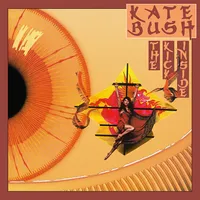
The Kick Inside (EMI, 1978)

The Kick Inside (EMI, 1978)

One of the unforgettable debuts, this multi-million-seller was from a 19-year-old who’d written most of its songs years earlier. From the opening Moving (introduced by whale song) to the brittle yet euphoric title track, the album revelled in its literary and cinematic influences (most obviously Emily Bronte), while introducing a fresh, candid voice, fearless in expressing lust and eroticism from a female perspective.

The Man With The Child In His Eyes was the follow-up hit to Wuthering Heights. Its sweet, sighing romanticism was matched by L’Amour Looks Something Like You and Feel It. Unfettered and rhapsodic; a new voice.
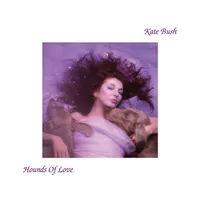
Hounds Of Love (EMI, 1985)

Hounds Of Love (EMI, 1985)

Her fifth album and her best seller remains the antithesis of all you think you know about 80s pop. Having built her own studio in the barn behind the family home to facilitate her now slow, meticulous recording techniques, and using everything from samplers to traditional Irish instruments, she emerged with something unparalleled.

The first half was five odd yet accessible songs, from crossover hit Running Up That Hill to the giddy exhilaration of The Big Sky and the haunting hooks of Cloudbusting. The second was a prog-tastic suite taking in King Arthur, drowning and countless shifts. She thinks of it as “two separate albums”. Both are breathtaking.
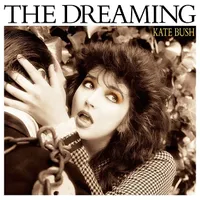
The Dreaming (EMI, 1982)

The Dreaming (EMI, 1982)

Liberation. Her first self-produced album, and the one where some started to think she’d gone bonkers. Not big on hits – though the staccato rhythms of Sat In Your Lap disturbed the charts – it saw her relinquishing dainty, pretty chord structures to write over-skewed soundscapes.

Encouraged by Peter Gabriel, she explored diverse, dark themes, from Vietnam to Houdini, from crime thrillers to the plight of indigenous Australians. More than ever before, she used multiple voices and aspects of her personality to inhabit characters. And it still dented the US chart – her first album to do so – while going top three in the UK.

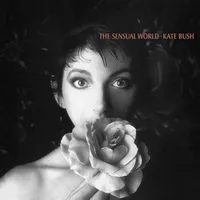
The Sensual World (EMI, 1989)

The Sensual World (EMI, 1989)

Received wisdom declares that this album tails off after its sumptuous title track. Yet there are dazzling moments: the arrival of the Trio Bulgarka in the soaring Rocket’s Tail; the simple, sorrowful insights of This Woman’s Work; the underrated surges of Love And Anger and Heads We’re Dancing.

There are prescient studies of relationships, and a constant sense of, to borrow from John Martyn, grace and danger. That title track, inspired by Ulysses, oozes Joycean abandon, culminating in a delirious, orgasmic ‘Yes’. As flushed and loaded with desire as Marvin Gaye’s Let’s Get It On.

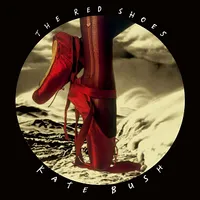
The Red Shoes (EMI, 1993)

The Red Shoes (EMI, 1993)

It’s baffling, even infuriating, that some supposed Bush aficionados, even biographers, write this off as her weakest album. It may leap from dizzying optimism (Rubberband Girl, Eat The Music) to melodrama (her long-term relationship had ended), but every emotion crackles with naked intensity.

The music hops between genres with conviction and playfulness. In Moments Of PleasureTop Of The City and You’re The One, Bush conjured up confessional ballads that could move a statue to tears, while the zing of the likes of Why Should I Love You? is irresistible. All this, plus guest spots from Eric Clapton, Prince and Gary Brooker.

Aerial (EMI, 2005)

Aerial (EMI, 2005)

The comeback that melted a thousand doubts. Presented as two discs – A Sea Of Honey and A Sky Of Honey – this followed the Hounds Of Love strategy of offering first a set of songs (which perhaps lapsed a little too eagerly into cutesiness concerning offspring and washing machines), then a linked concept piece.

Birdsong dots the latter before it climaxes in an astonishing kind of chillout/rave hybrid (Nocturn/Aerial) which shouldn’t work (on paper) but does gloriously. The reviews were going to welcome back the long-lost legend whatever, but this made it clean and easy. She still had it.

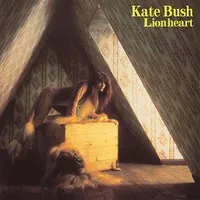
Lionheart (EMI, 1978)

Lionheart (EMI, 1978)

Kate Bush has always said she was hurried into this – EMI seeking to capitalise on their new star – and wasn’t happy with her vocals. Nonetheless, it reached No.6, had the hit Wow, and offered a stream of fey, slightly camp tales of showbiz (Hammer Horror), travel (Kashka From Baghdad), off-kilter patriotism and, yes, sex.

For sceptics who reckoned she was all a bit jazz-hands and drama school, this was the one to attack – her one tour ‘visualised’ the narratives – but that fearless voice and fluid piano work woo all but the hardest heart. With its bucolic feel and quests for Peter Pan, its sunlit languor has endured surprisingly well.

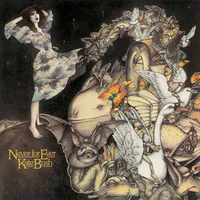
Never For Ever (EMI, 1980)

Never For Ever (EMI, 1980)

Now with her own management and publishing companies, co-producer Kate wielded greater control over the decision making, though this album still wound up with a cover featuring swans, cats and whales flying out of her skirt.

She thus began the 80s with her first No.1 album – the first by a British female, and the first by any solo female to go straight in at the top. With lyrics influenced by Henry James and François Truffaut, its styles ranged from heated rockers like Violin to the alluring waltz Army DreamersBabooshka proved insanely catchy, while the other bookend, Breathing, was an eerie, experimental glimpse of what inspired weirdness was to come.

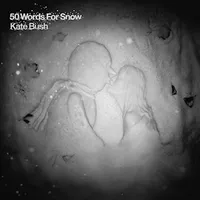
50 Words For Snow (Fish People, 2011)

50 Words For Snow (Fish People, 2011)

This was universally hailed as another masterpiece. However, her 10th album’s long songs seem to have a lack of focus and a jazzy tendency to take forever to make their points. The atmosphere is wintry, gothic and achingly melancholy.

There are few frills on the sparse, sad ballads, but the duet with an incongruous, trying-too-hard Elton John on Snowed In At Wheeler Street rewrites Top Of The City from The Red Shoes winningly. Then there’s Stephen Fry reciting the titular list of synonyms for snow on the centrepiece. Most positively, 2011 saw her back, still uncategorisable, still way out there.

…and one to avoid

You can trust Louder  Our experienced team has worked for some of the biggest brands in music. From testing headphones to reviewing albums, our experts aim to create reviews you can trust. Find out more about how we review.
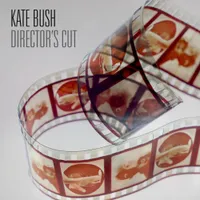
Director’s Cut (Fish People, 2011)

Director’s Cut (Fish People, 2011)

The first on her own label, this was a well-received but ill‑advised set of re-recordings and rearrangements of songs from The Sensual World and The Red Shoes. It explains why so many now rush to criticise those two albums, but to those of us who hold them dear, it was borderline patronising.

The new versions added nothing, diluting the charm of the originals and, sadly, revealing a more mature, less agile voice. The James Joyce estate finally allowed her to include his text in The Sensual World and rename it Flower Of The Mountain, but while the concept confirmed her as an arch perfectionist, the execution was far from flawless.


Leave a Comment