
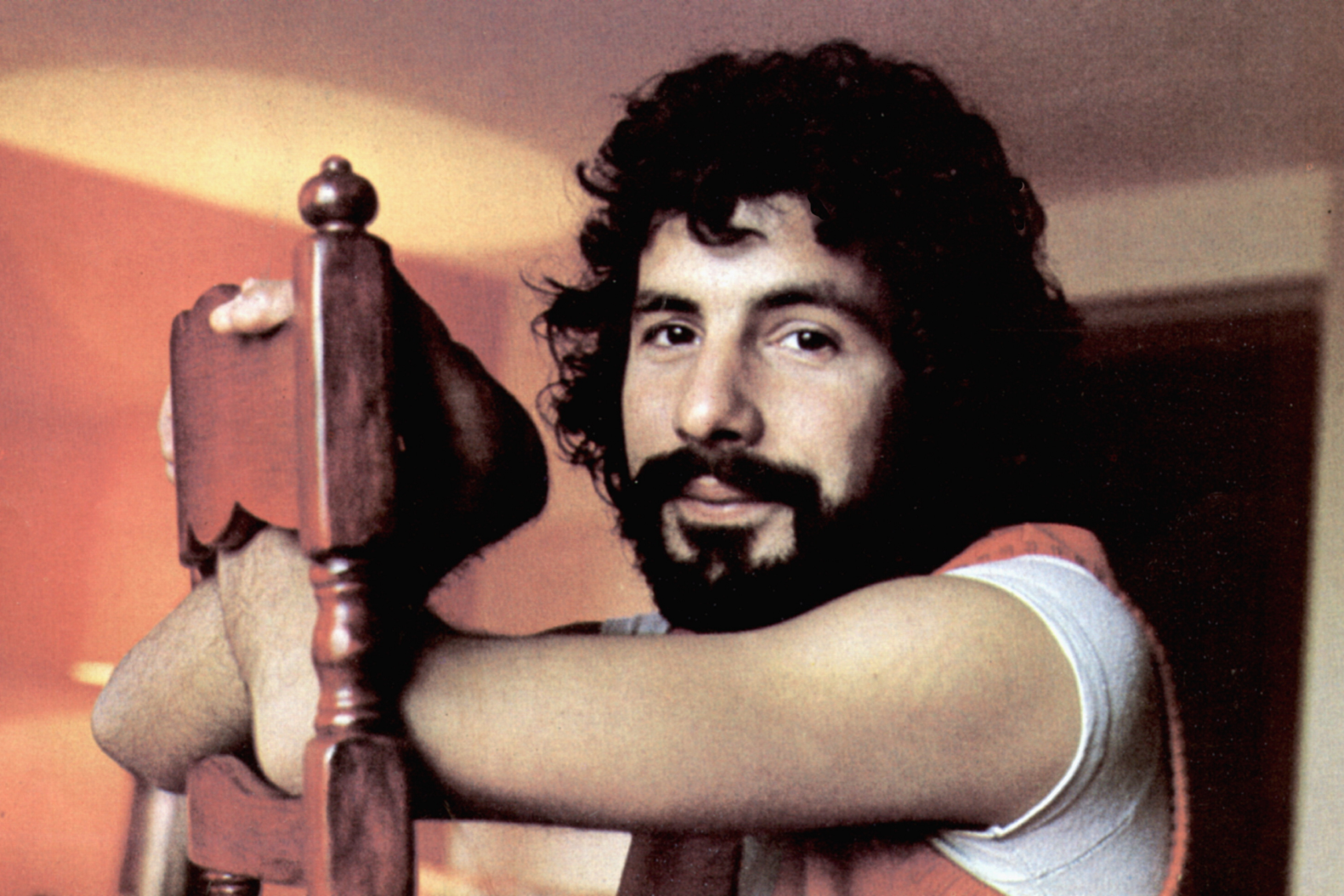
Cat Stevens’ song “Father and Son” is one of the most emotional and timeless songs of the 1970s. It was released in 1970 on his album Tea for the Tillerman. Even today, the song continues to touch people of all ages because it talks about something very real: the gap between parents and their children.
The song is written like a conversation. The father speaks first, calmly asking his son to slow down, be patient, and live a safe and steady life. He wants his son to find a girl, settle down, and avoid taking risks. The father believes this path will protect his child from pain and failure.
The son’s part of the song sounds very different. His voice is emotional and full of confusion. He explains that he cannot stay, even though he respects his father. He feels drawn toward something bigger, something he does not fully understand yet. The son wants to explore the world and find his own purpose, even if it means leaving home.
What many people don’t know is that “Father and Son” was first written for a musical project about the Russian Revolution. Cat Stevens planned to show how big changes in society can create conflict inside families. In that story, the father wanted to keep life the same, while the son was inspired by new ideas and wanted change. Although the musical was never completed, Stevens kept the song because the message felt universal.
Around the same time, Cat Stevens became very ill with tuberculosis and spent months recovering in the hospital. This experience changed the way he saw life and music. When he returned, his songwriting became more thoughtful and spiritual. “Father and Son” became part of this new, more meaningful style.
Even though the song feels very personal, it was not based on serious problems between Cat Stevens and his own father. In real life, his father supported his music career. Still, Stevens was able to capture emotions that many families experience—love, worry, misunderstanding, and the need to let go.
The song became especially powerful during the 1970s, when many young people were questioning traditions and choosing new paths. Parents wanted stability, while children wanted freedom. “Father and Son” gave a voice to both sides without judging either one.
Today, the song remains popular because its message is timeless. Every generation faces the same struggle between safety and change. “Father and Son” reminds us that growing up can be painful, but it is a natural part of life—and love remains, even when paths are different.