
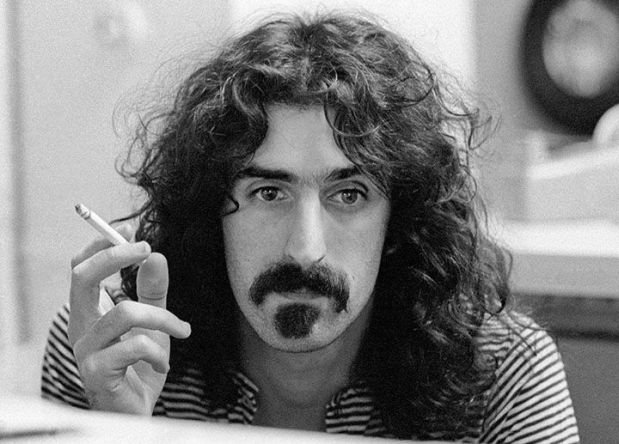
Frank Zappa was one of the most unique musicians of the 20th century. His music was strange, clever, funny, and often hard to label. Because of this, many strange rumours followed him throughout his career. One of the most famous rumours started when he was performing with his early band, The Mothers of Invention, in the late 1960s.
At the time, people began to say that Zappa and his band held “gross-out competitions” on stage. According to these stories, band members tried to shock audiences by doing disgusting things, including eating human waste or urinating on the crowd. These rumours spread quickly and were repeated so often that many people believed them to be true. However, they were completely false.
Frank Zappa later addressed these rumours himself and made it clear that none of it ever happened. He said there was never any gross-out contest and that the stories came from people letting their imaginations run wild. Zappa even joked that some people were disappointed to learn the rumours weren’t true, which says a lot about how extreme his public image had become.
So why were people so ready to believe such shocking stories? The answer lies in how Frank Zappa looked and sounded. He did not fit the typical image of a rock star. His music was loud, complex, sarcastic, and often critical of society. His stage shows were unpredictable and theatrical. Compared to other bands of the time, The Mothers of Invention felt chaotic and strange, even though their performances were carefully planned.
Zappa also refused to limit himself to one genre. He mixed rock, jazz, classical music, and experimental sounds in ways that confused some listeners but inspired many musicians. Because of this, people often saw him as a rebel who broke all rules, both onstage and off. Over time, this image turned into exaggerated stories that had nothing to do with reality.
Despite his unusual reputation, Frank Zappa was one of the most serious and disciplined musicians in rock history. He worked extremely hard, demanded perfection from his band, and treated music like a full-time profession. He rehearsed constantly and expected every musician to play their parts correctly every single night.
Zappa was also an important mentor to young musicians. Guitarists like Adrian Belew and Steve Vai have both said that working with Zappa taught them more than just how to play music. He taught them how to be professionals, how to prepare for shows, and how to respect their craft. Zappa expected his musicians to show up on time, know their parts, and take their work seriously.
Drummer Chester Thompson, who later played with Genesis, also spoke highly of his time with Zappa. He said the experience helped him grow as a musician and taught him discipline that stayed with him for the rest of his career.
In the end, the gross-out rumours say more about the public than they do about Frank Zappa. People often fear or misunderstand artists who refuse to follow the rules. Zappa was strange, yes—but he was also honest, committed, and deeply passionate about music.
Frank Zappa never shocked audiences by doing disgusting things on stage. Instead, he shocked the world by being completely himself, by pushing music forward, and by inspiring generations of musicians to take their art seriously. And that legacy is far more important than any silly rumour.