
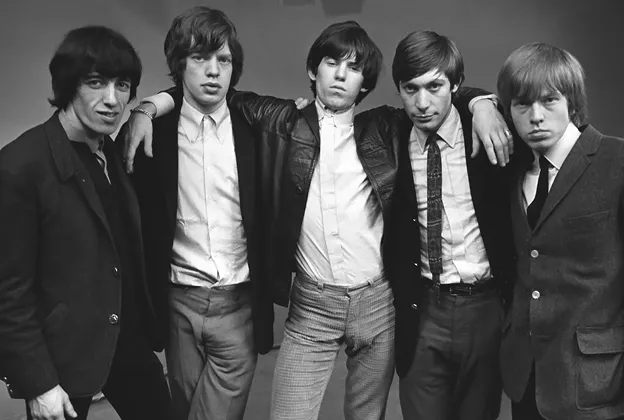
By the mid-1960s, The Rolling Stones were moving fast. They had already stepped out of the shadow of The Beatles and created a darker, rougher image that made them stand out in the world of rock and roll. While The Beatles were becoming more spiritual and experimental in a polished way, the Stones felt dangerous, rebellious, and unpredictable. This attitude helped them create some of the most exciting music of the decade.
In 1966, music itself was changing. Psychedelia was taking over, and bands were pushing boundaries like never before. Songs were getting stranger, louder, and more experimental. The Rolling Stones were right at the center of this shift. That year alone, they released bold tracks like Paint It Black and Lady Jane, which showed how willing they were to explore new sounds.
One of the most unusual songs they released during this time was Have You Seen Your Mother, Baby, Standing in the Shadow?. Compared to their earlier work, this song was wild. It had a stop-and-go rhythm, loud horns, distorted guitars, and a chaotic feel that made it sound almost out of control. At the time, it was the furthest the Stones had ever pushed themselves in the studio.
The band was competing not just with other groups, but also with themselves. Rock music had become a creative battleground. Every new release was a chance to prove who was boldest and most original. For the Stones, this meant taking risks — even if those risks didn’t always work out perfectly.
Although the song was successful, not everyone in the band was happy with it. Keith Richards later said that he liked the idea of the song but hated the final mix. According to him, the recording was rushed because the band needed the song ready for a television appearance. Because of this, important parts of the music were lost.
Richards felt the rhythm section — the drums and guitars — was buried in the mix. Charlie Watts’ drums were barely noticeable, and the guitars didn’t hit as hard as they should have. Instead, the horns were pushed to the front, making the song sound unbalanced. Richards believed the track needed more time, saying it should have had a few more weeks of work before being released.
Bill Wyman agreed with this opinion. He later explained that the song didn’t create the excitement the band expected because the rhythm section was hidden. Even though they spent more time recording it than earlier singles, it still felt unfinished to them. In many ways, this song marked the beginning of the Stones realizing how important production and mixing really were.
For Mick Jagger, the song had a different meaning. He saw Have You Seen Your Mother, Baby, Standing in the Shadow? as the end of the band’s psychedelic phase. He described it as the “ultimate freakout” — a moment where they had gone as far as they could with that sound. After this song, Jagger felt the band needed to stop, rethink, and move forward in a new direction.
Looking back today, the song is important not because it was perfect, but because it represented a turning point. It showed a band willing to take chances and learn from mistakes. Without moments like this, The Rolling Stones might not have gone on to make the powerful, confident records that followed.
Even with its flaws, Have You Seen Your Mother, Baby, Standing in the Shadow? remains a fascinating piece of the Stones’ history — a snapshot of a band pushing limits, testing ideas, and finding out who they really were.