
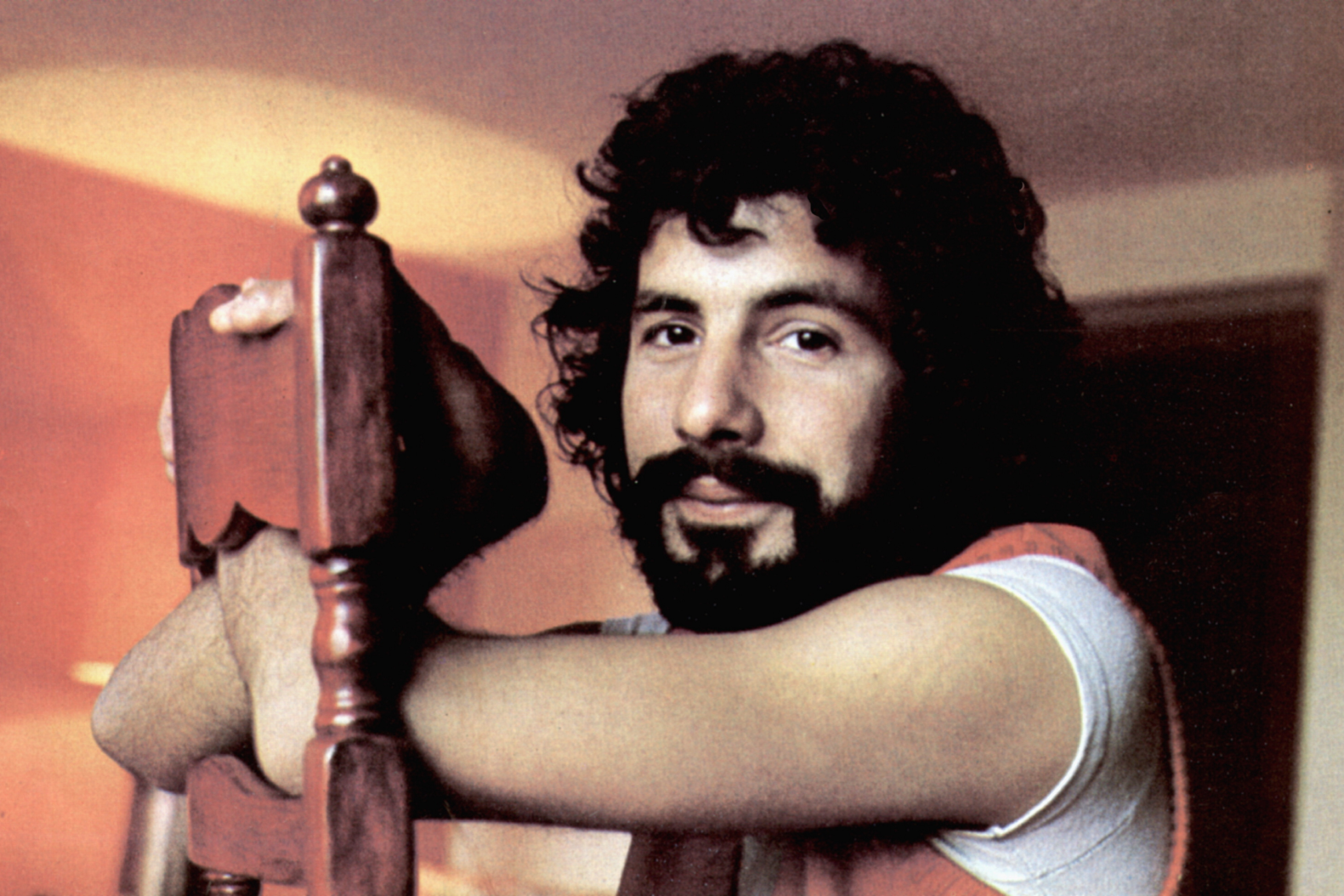
Music has a special power. It can calm us, heal us, and stay with us for a lifetime. For Cat Stevens, now known as Yusuf / Cat Stevens, music was never just entertainment. It was a spiritual force, something deeply connected to emotions, memory, and the soul.
Over the years, Cat Stevens achieved major success. He placed several songs in the UK Top Ten and released many albums that are still loved today. Yet, his appeal was never only about fame or numbers. There is a quiet beauty in his music that feels comforting and timeless. His songs often feel like gentle companions, guiding listeners through moments of reflection, sadness, hope, and understanding.
Stevens once explained the mystery of music in simple but powerful words. He said music cannot be taken apart and studied like an object in a laboratory. Instead, it moves through our emotions, our bodies, and our spirits. For him, music was a vehicle — a way to travel through feelings and ideas that words alone could never fully express.
Many of his songs stay with people for years. Tracks like “Father and Son” feel deeply personal, yet universal. When performed live, especially at festivals, the emotional impact can be overwhelming. It’s the kind of song that can move even the most guarded listener to tears. This emotional honesty is what made Cat Stevens stand out.
Behind this unique sound was a wide range of inspiration. Stevens drew influence from musical theatre like West Side Story, legendary bands like The Beatles, and powerful artists such as Nina Simone, Ali Farka Touré, and especially Stevie Wonder. Stevens once called Stevie Wonder the sweetest voice of all, and that admiration came from a deeply personal place.
In the late 1960s, Stevens faced a difficult period in his life. He became seriously ill with tuberculosis and was forced to step away from the music industry for nearly two years. During this time, he also experienced heartbreak and struggled with the pressures of fame and substance use. Music became his lifeline, and Stevie Wonder’s voice helped guide him through that dark chapter.
At the same time, Stevie Wonder himself was going through a creative transformation. After gaining artistic freedom from Motown at age 21, Wonder began making deeply personal and meaningful music. His work showed that music could be joyful, spiritual, and socially powerful all at once.
Stevens saw this and felt inspired. What made Wonder special was not just his technical skill, but the way he used his voice to express joy, pain, and humanity. Other legends agreed — Bob Dylan and Paul McCartney both famously called Stevie Wonder a genius.
In the end, both artists shared the same belief: music must come from joy and truth. As Stevie Wonder once said, your best work is always joyful work. That philosophy lives on in Cat Stevens’ music — gentle, soulful, and forever meaningful.