
When you hear a singer belt out a song about life, love, or loss, you might not always know exactly where they’re coming from. But for some artists, where they’re from is as important as the music itself. For others, hometowns aren’t a backdrop — they are the stage.
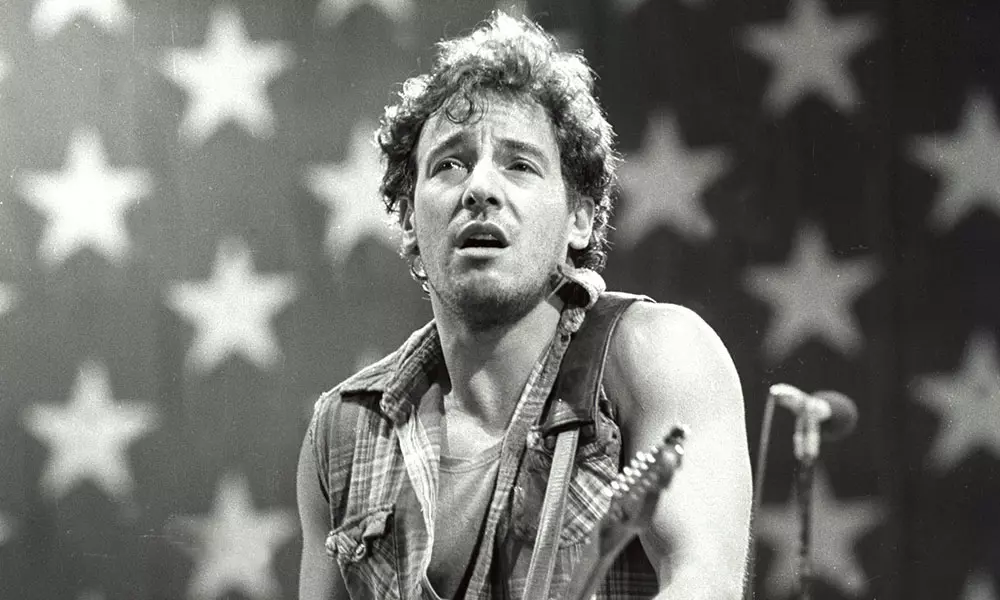
Take a singer who grew up in the working-class neighborhoods of New Jersey. When he picked up a guitar and started writing songs about small-town streets, broken-down cars, hard days at the factory, or the desperation of trying to get by — he wasn’t telling a Hollywood-style story. He was telling his story: gritty, grounded, truthful. The salt of the everyday.
He once said he didn’t want to pose in a big city. That wasn’t really “him.” Instead, his heart stayed with the clapboard houses, the boardwalk nights, the steady pulse of people trying to make ends meet. That’s where he buried his memories: childhood friends, first loves, broken hearts, hope after doubt. That’s where he found a voice that didn’t need glamor — just honesty.
Because to him, New Jersey wasn’t just a place: it was “home.”
But “home” doesn’t always look the way we think it will. Another legendary singer from the same state brought a different kind of music: smooth, polished, sophisticated. Black-tie elegance, cocktail lounges, dim lights. On the surface, it might seem like a world away from everyday struggles. A world of glamour and glamour alone.
Yet, if you pay attention, even that voice carried echoes of struggle. Even behind the most refined façade, there were shades of heartache. Long nights. Quiet regrets. Hope mixed with desperation and longing. That singer sang about love and heartbreak — but also about dreams that might never happen, and about life’s bittersweet ironies.
For our working-class singer, that smooth voice didn’t feel like a betrayal of his roots. Instead, it felt like another shade of the same truth: life doesn’t always fit one pattern. Sometimes it’s streetlights and rhythm and dust. Sometimes it’s tuxedos and martinis. But inside both, there’s longing. There’s love. There’s pain. And there’s honesty.
That’s what makes music about “where you’re from” so powerful. It doesn’t try to disguise the dirt under the nails or the tumble of broken hopes. Instead, it embraces it. It says: this is who I am. And from here, I’m speaking to you.
And that’s why, even if you’re not from New Jersey — even if where you came from is nowhere near those boardwalks or city lights — you still hear something real. You hear yourself. Because beneath every accent, across every road, there are people who fight, people who love, people who dream.